Culture differences in China: no tipping, shared plates & eight cuisines
No tips, hot water, and flavor changes every province Life + food, decoded
China is a zero-tip country — restaurants, taxis, hotels and delivery never expect one. The real culture shock is food: plates are shared, the north eats noodles while the south eats rice, and spice swings wildly from city to city. The two tabs below decode daily life and the eight great cuisines.
Daily life: the rules nobody wrote down
Zero-Tip Country
Restaurants, taxis, hotels, food delivery — nobody expects a tip, and "forgotten" change gets chased down and returned. The QR price is the final price; a warm xiexie is the whole gratuity.
Hot Water Is Care
Restaurants pour warm water or tea by default, and ice is an optional extra you may have to ask for. "Drink more hot water" is genuine Chinese care, not a meme.
Bring Tissues
Public restrooms often have no paper, and outside malls and hotels expect squat toilets. Carry a tissue pack and sanitizer; hotels and malls are Western-style and stocked.
Bargain at Markets
Street markets and wholesale malls expect haggling — open around half the asking price and keep it playful. Malls, convenience stores and every QR-code price are fixed.
Loud Means Lively
Shouted greetings, clattering tables and personal small talk — married? salary? — are warmth, not rudeness. Renao, lively bustle, is what a good restaurant sounds like.
Shared Plates & Tea Taps
Dishes land in the middle and everyone shares; use serving chopsticks when provided. Pour tea for others, and tap two fingers on the table to say thanks — the local nod.
Food: one country, eight cuisines
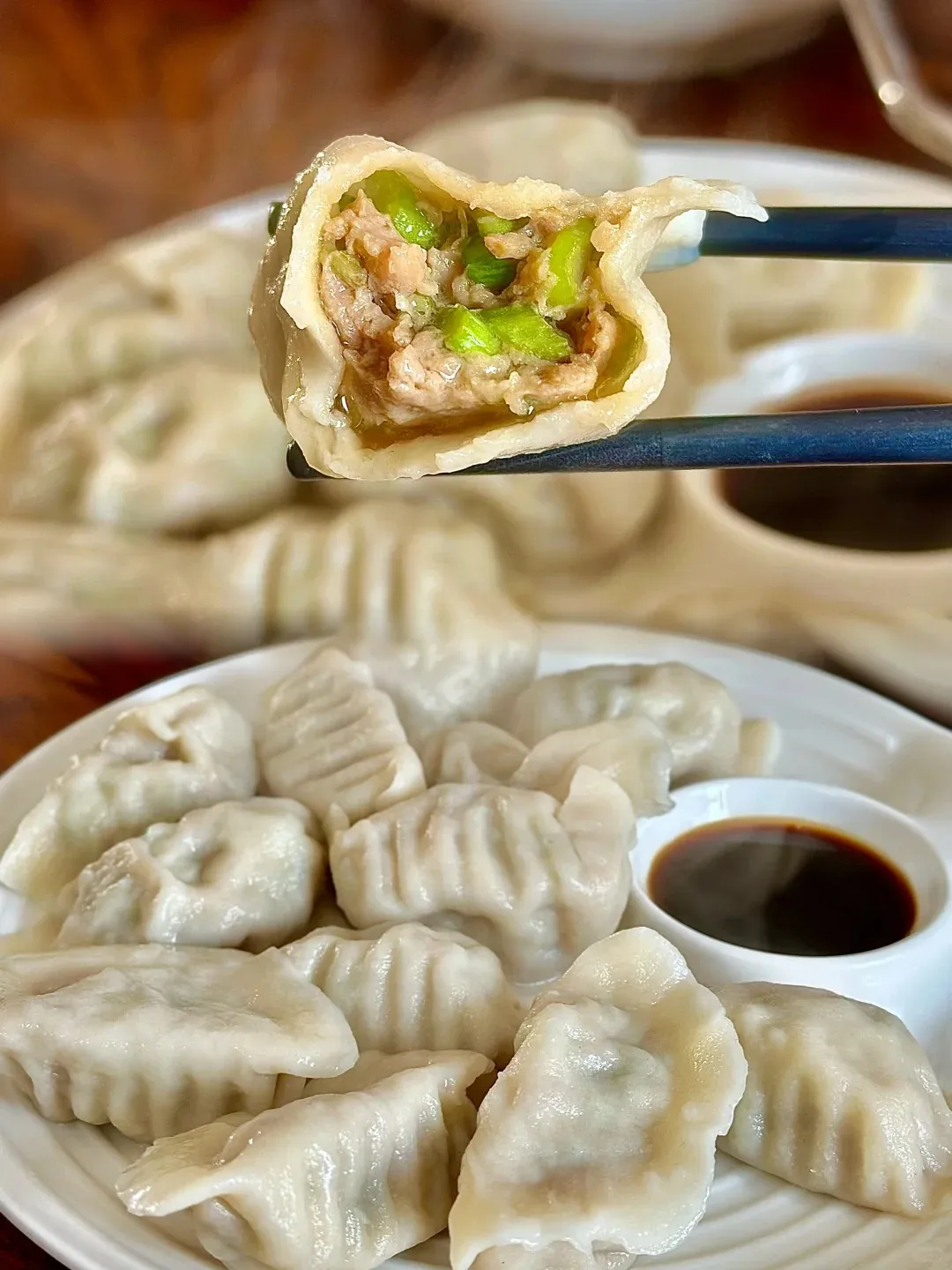
Rough map: the north eats wheat — noodles, dumplings, buns — and leans salty; the south eats rice and leans sweet or light; the west (Sichuan, Hunan, Chongqing) brings the heat. Glance at a city's flavor profile below before you go, so dinner is never a surprise.
What China tastes like 18 dishes, street to table
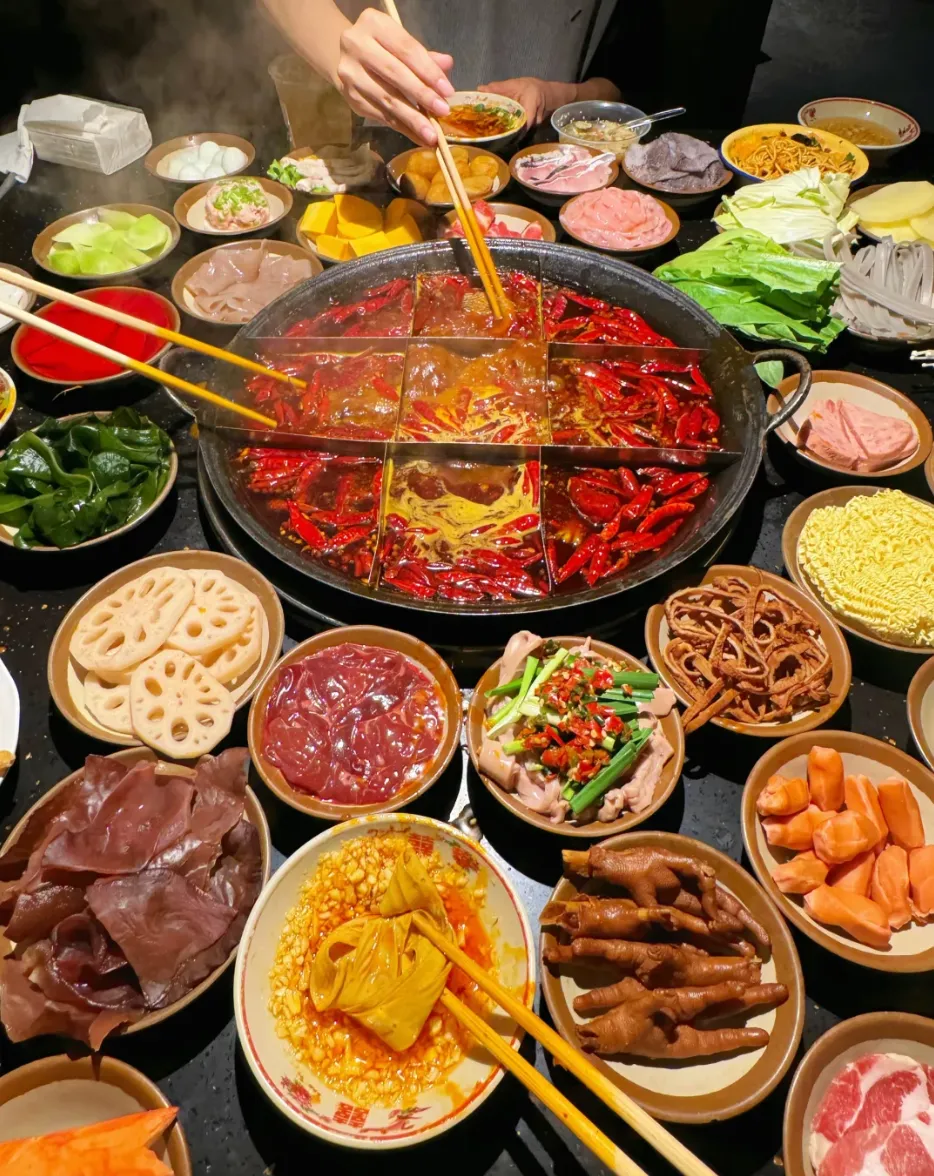
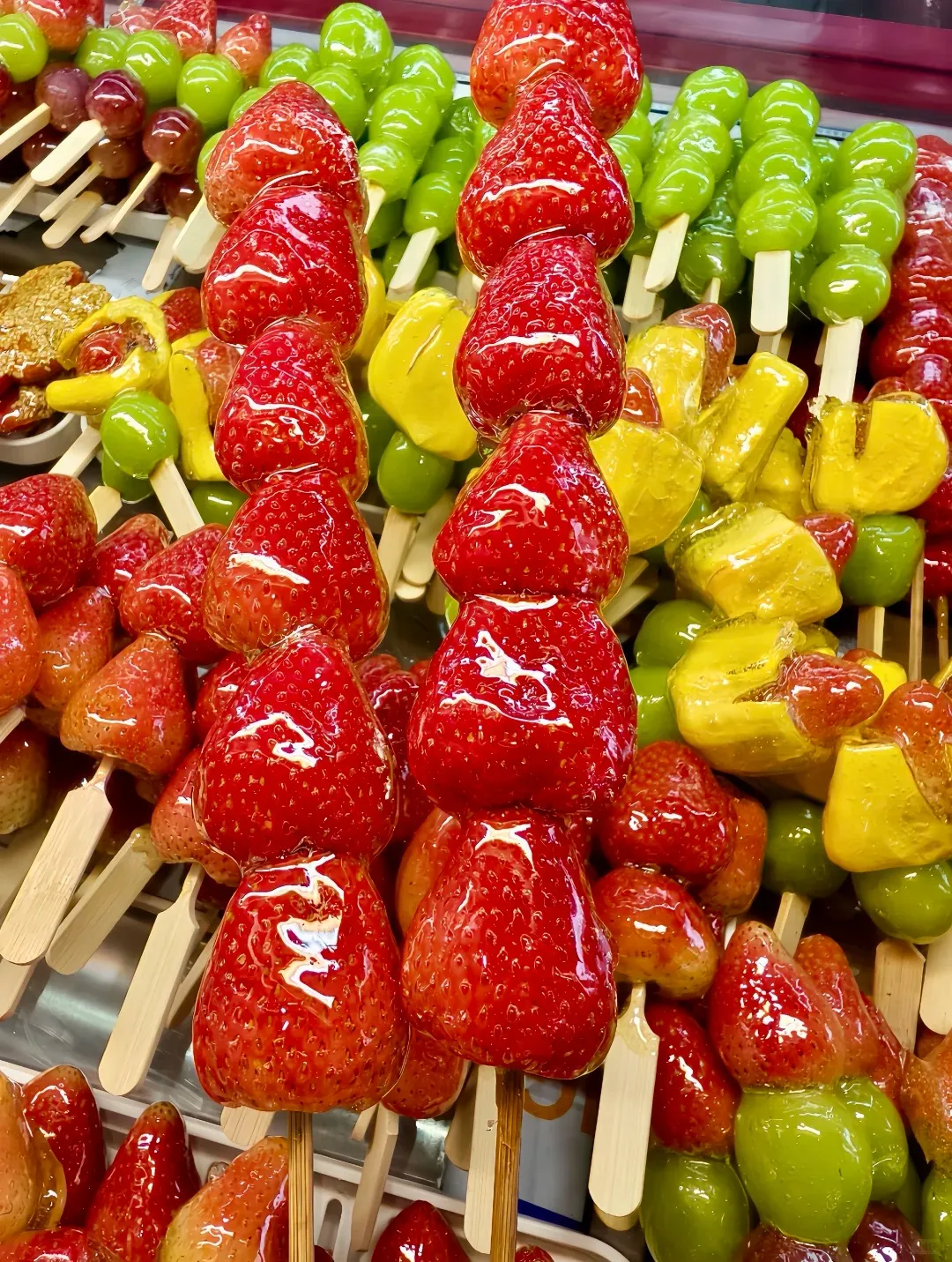
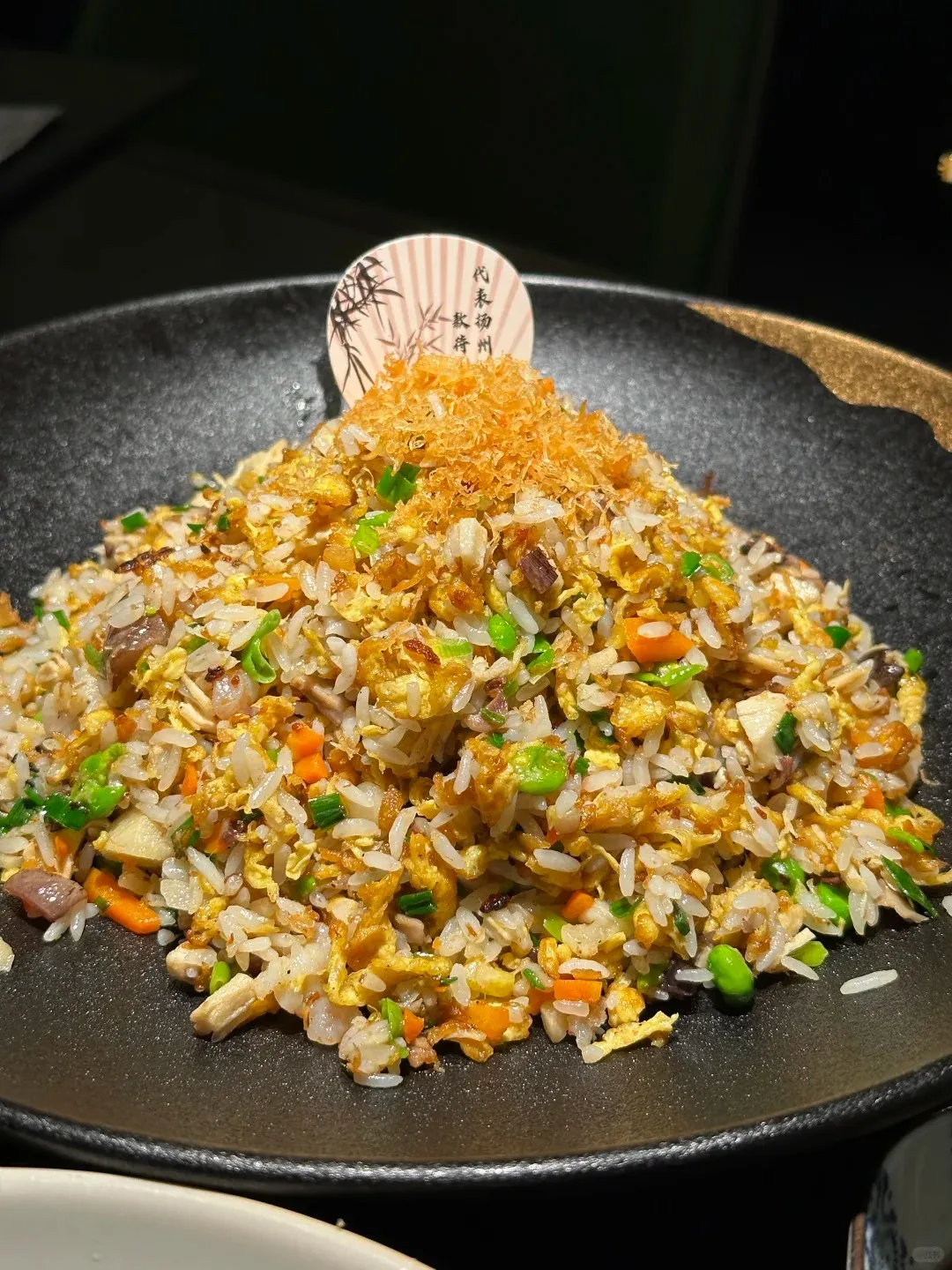
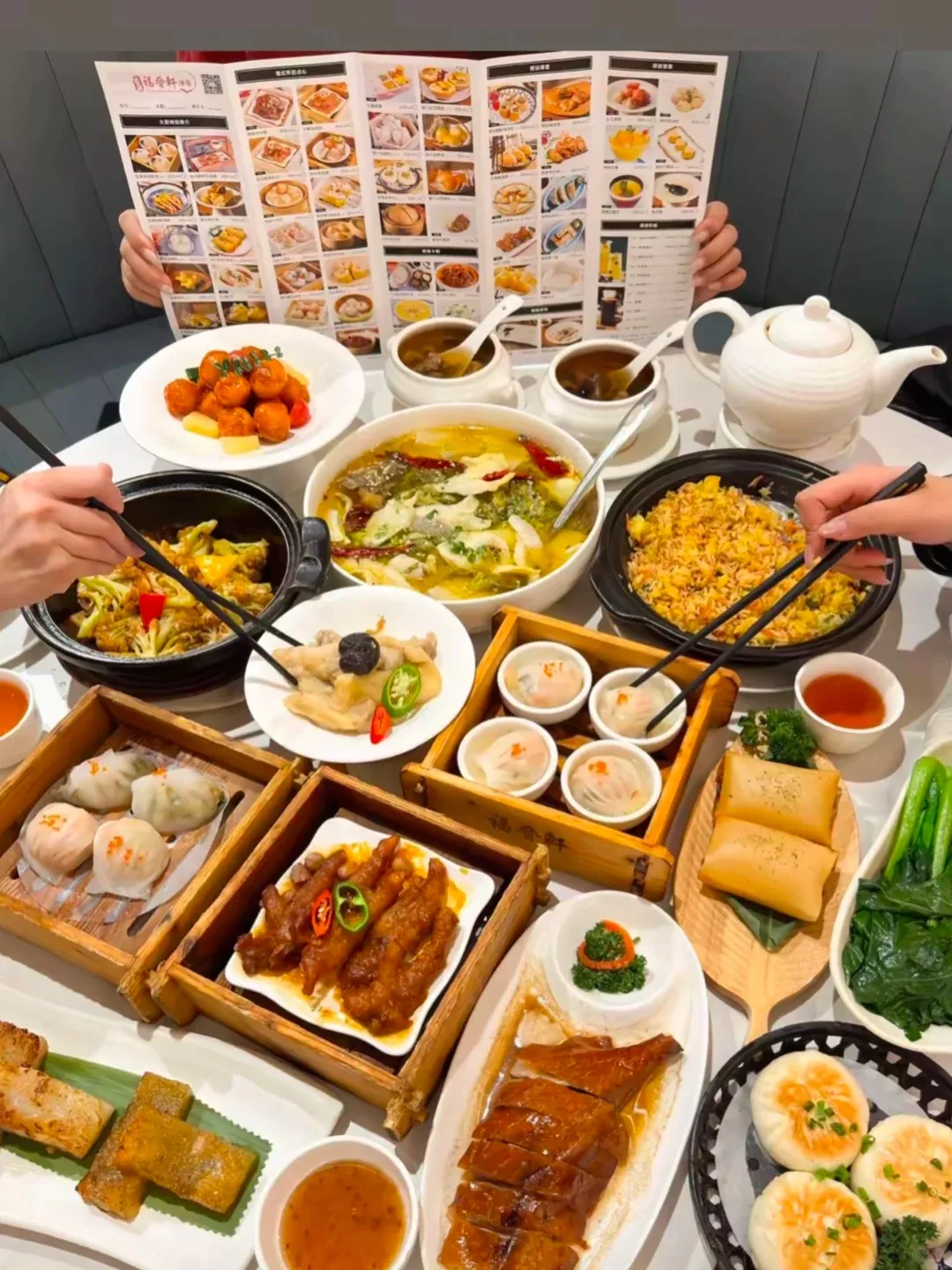
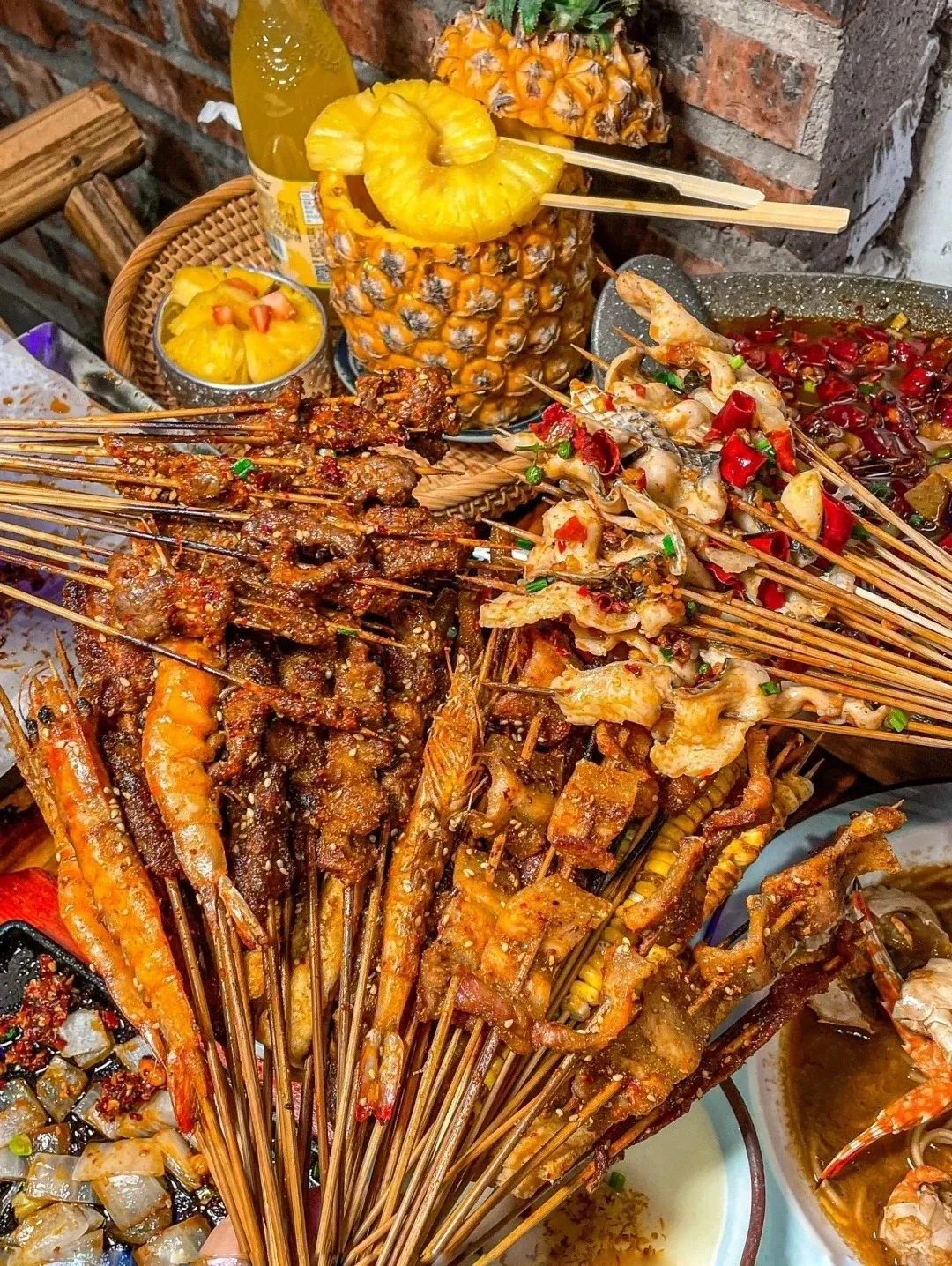
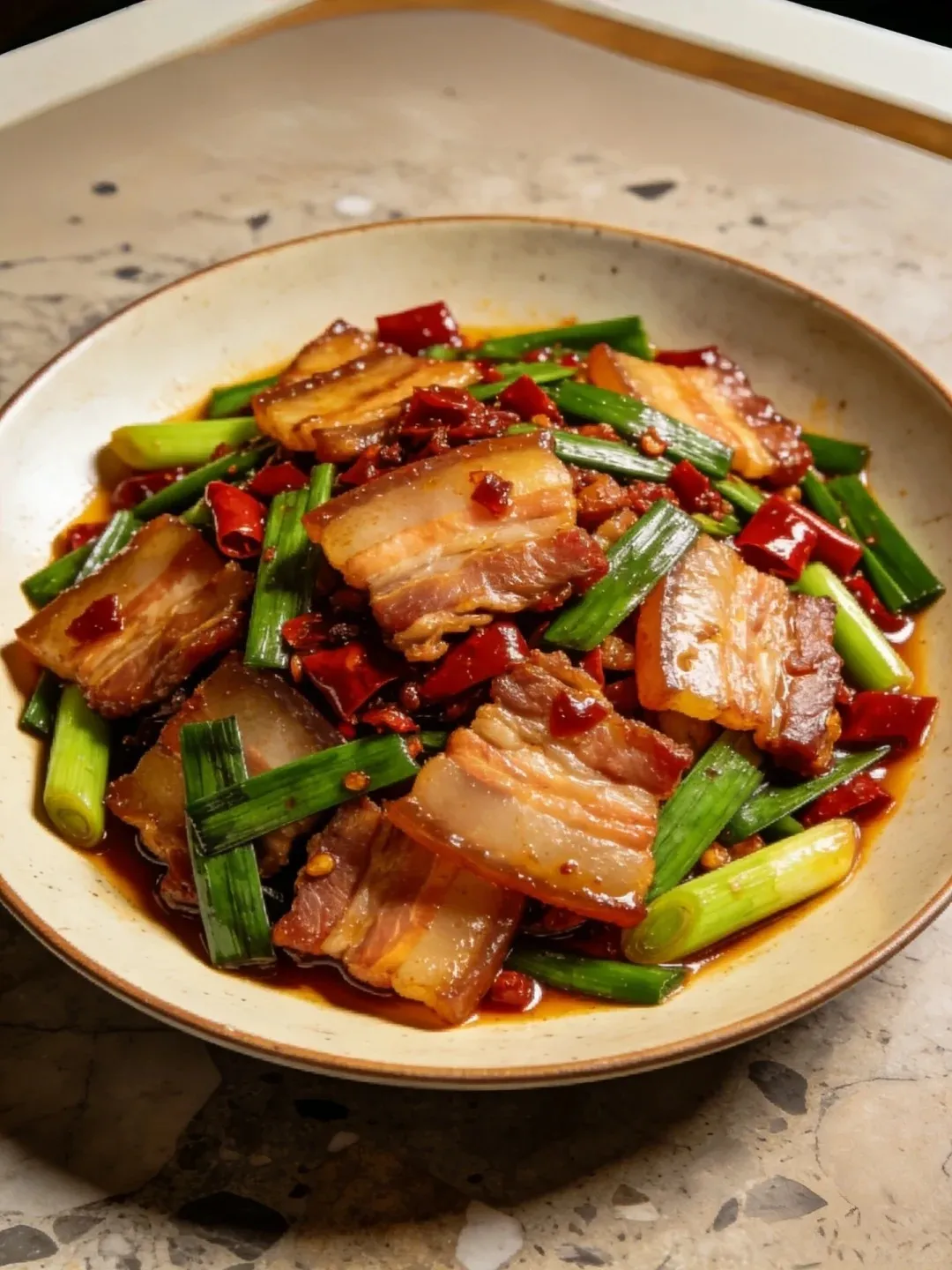
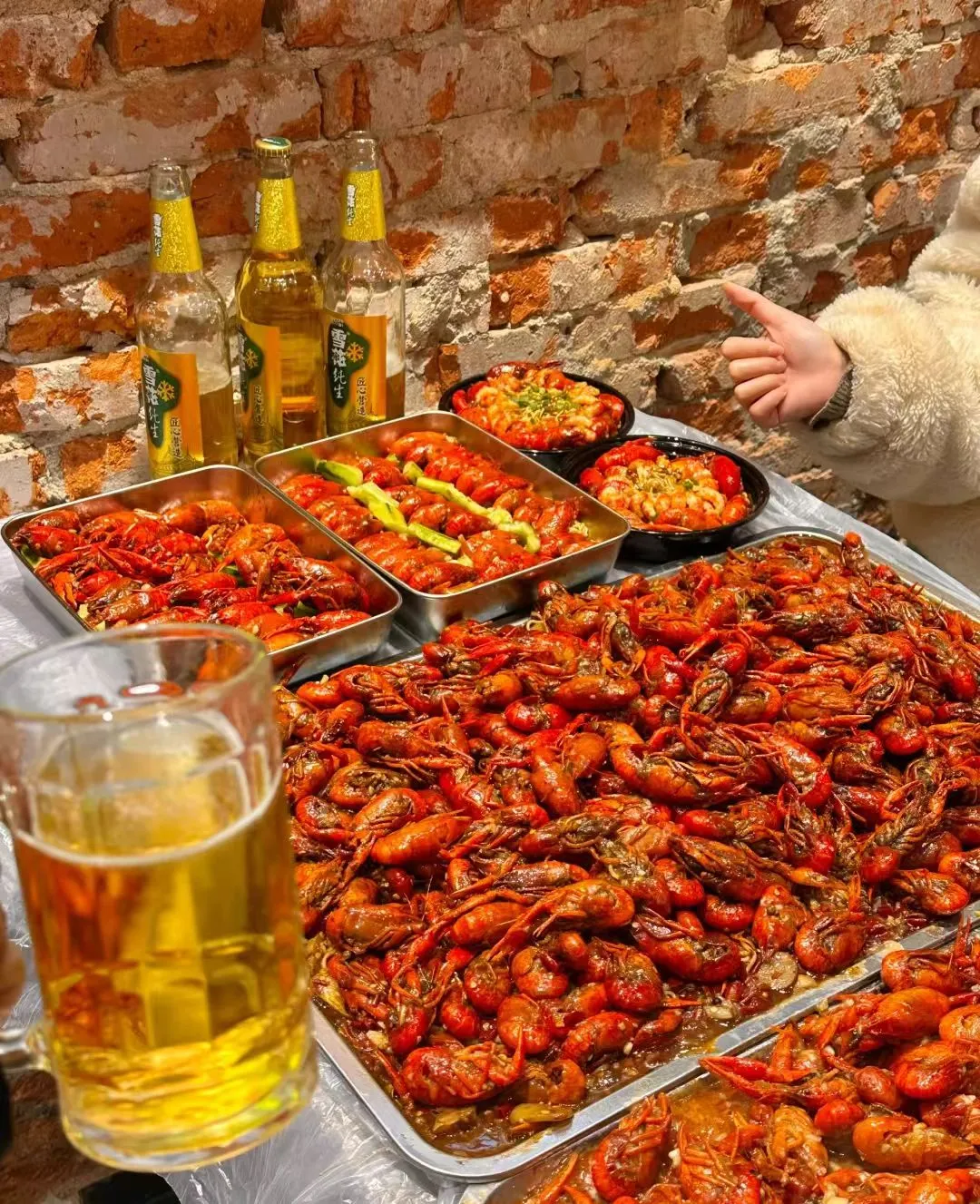
Every province puts something different on the table — this is the spread you'll actually meet: street skewers, family dinners and late-night markets.
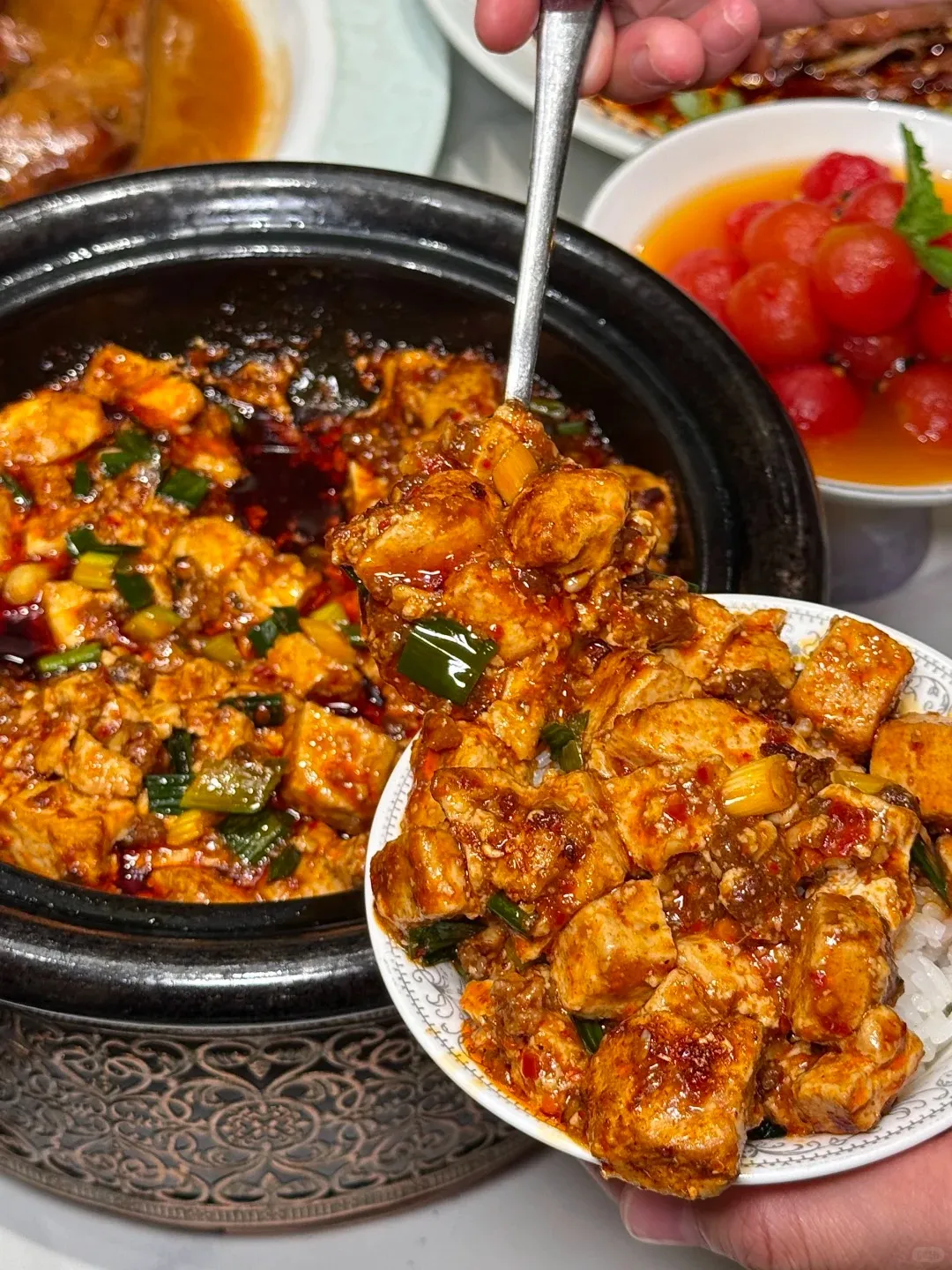
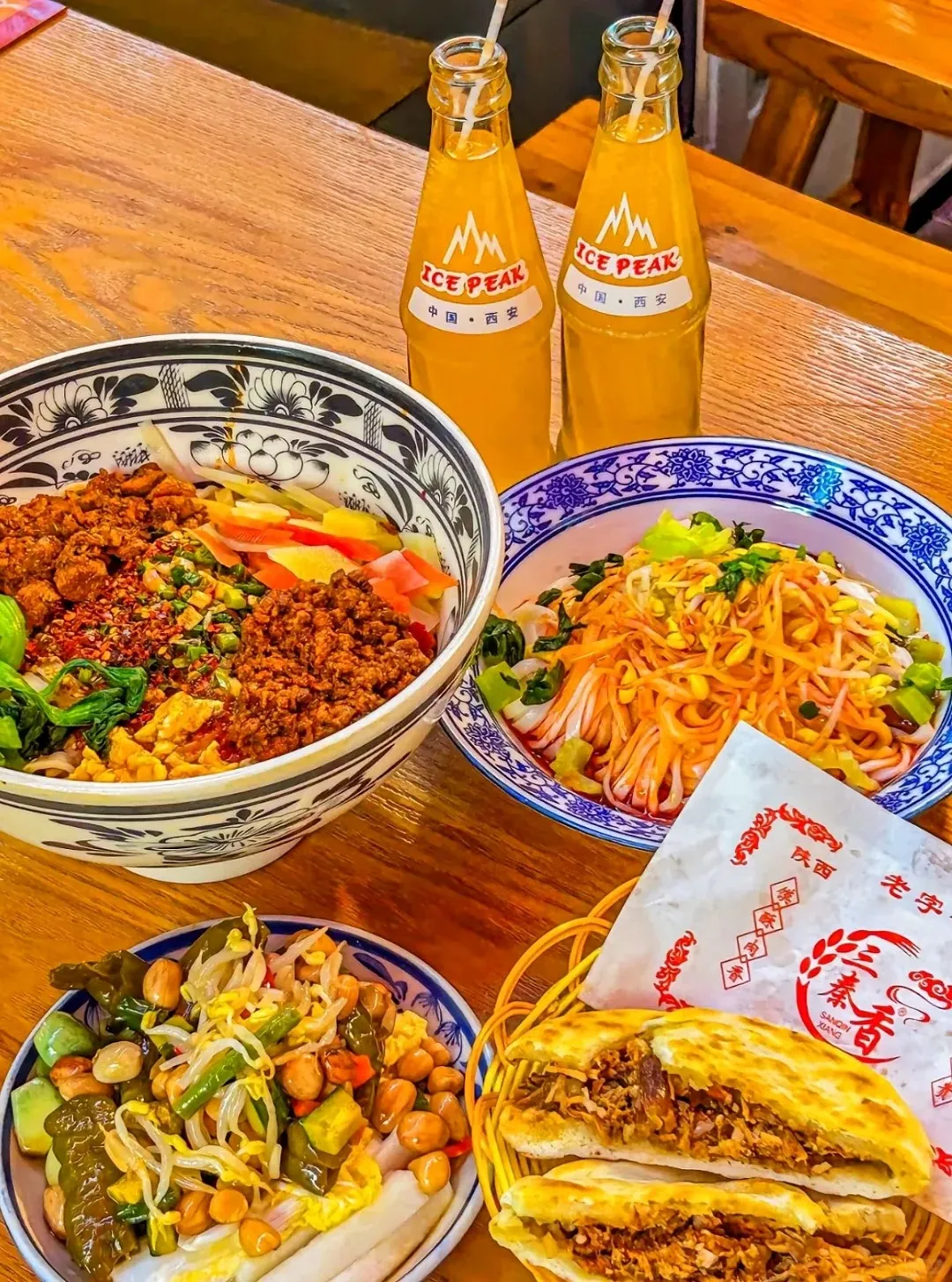
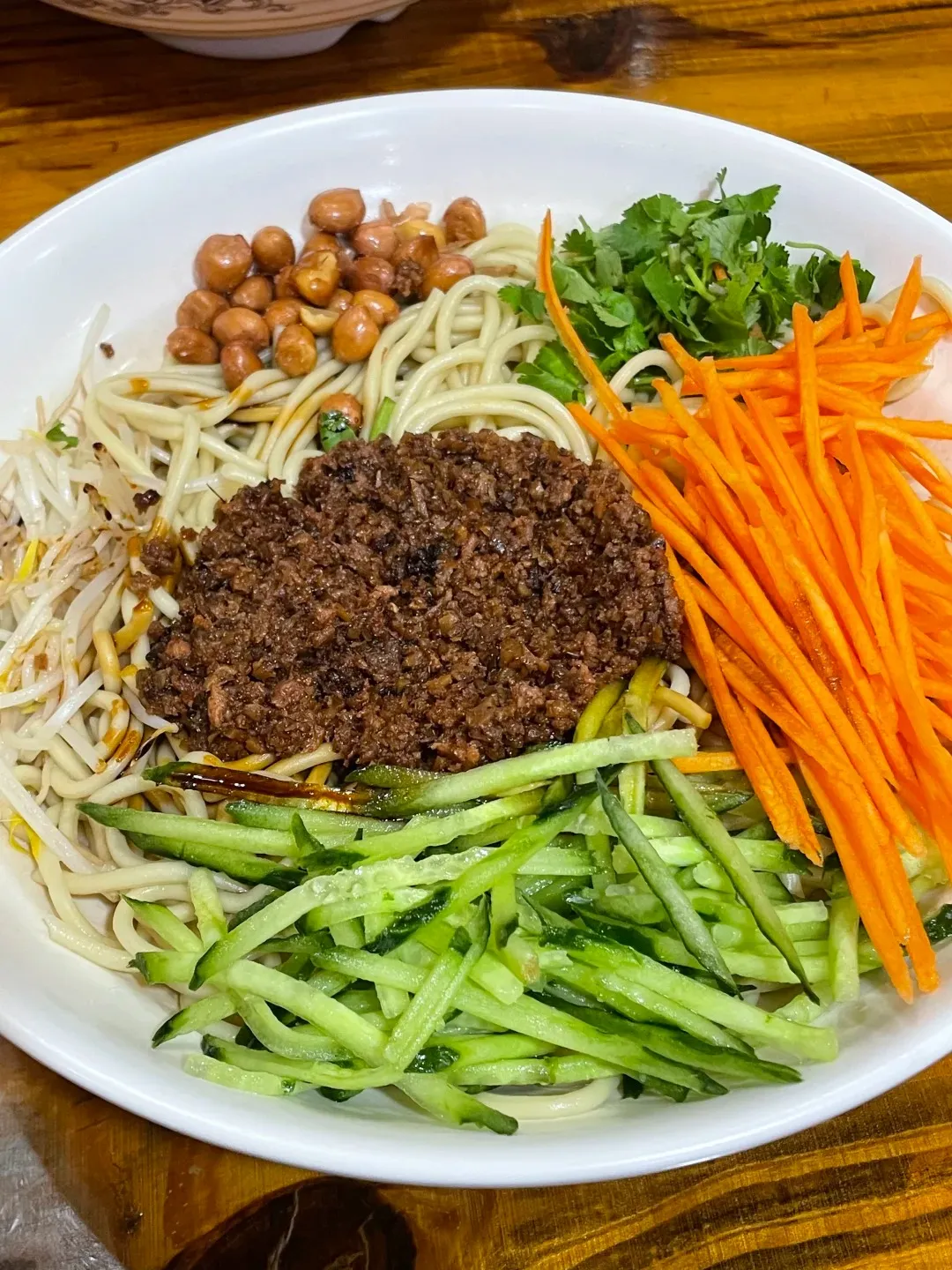
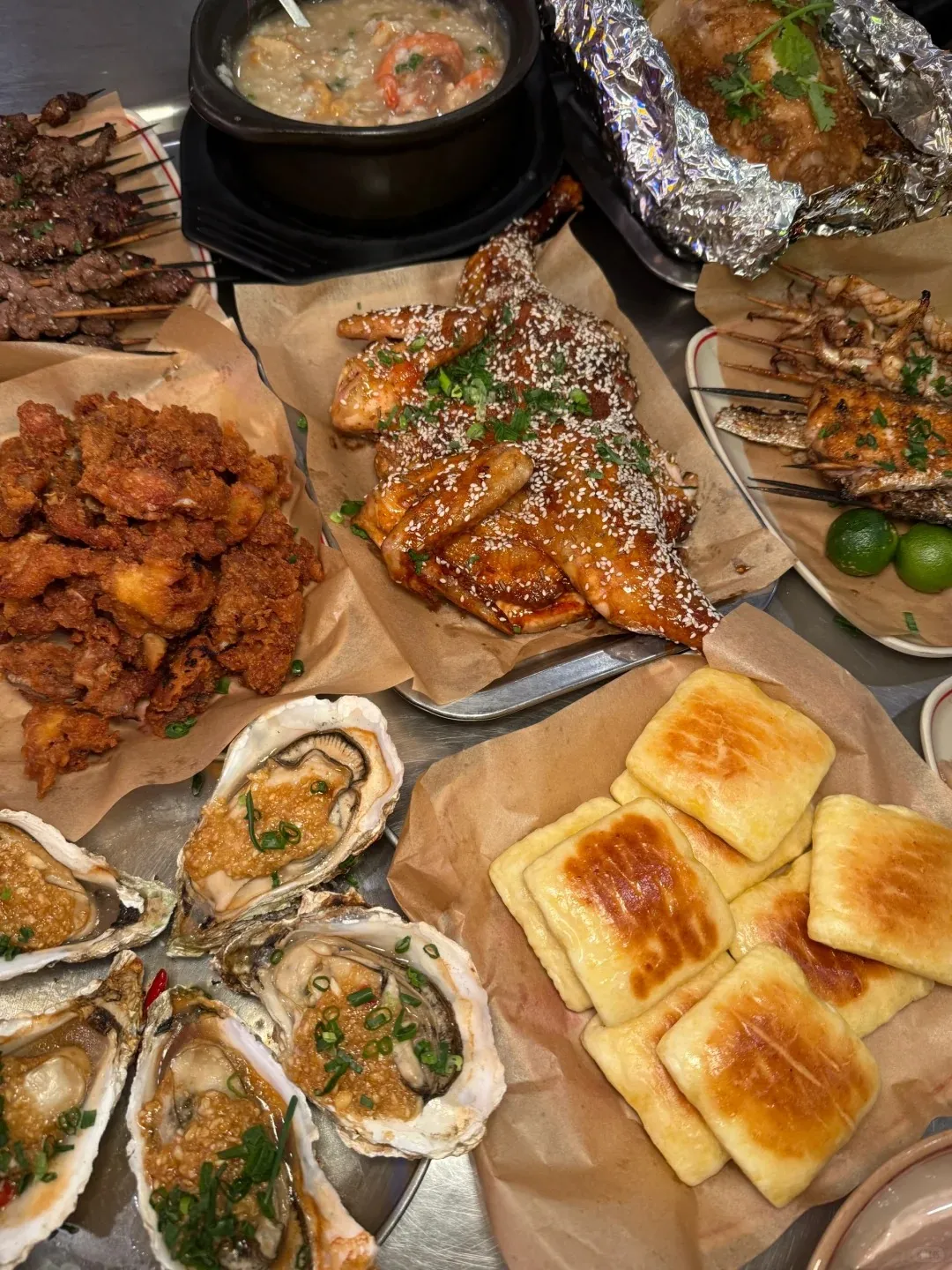
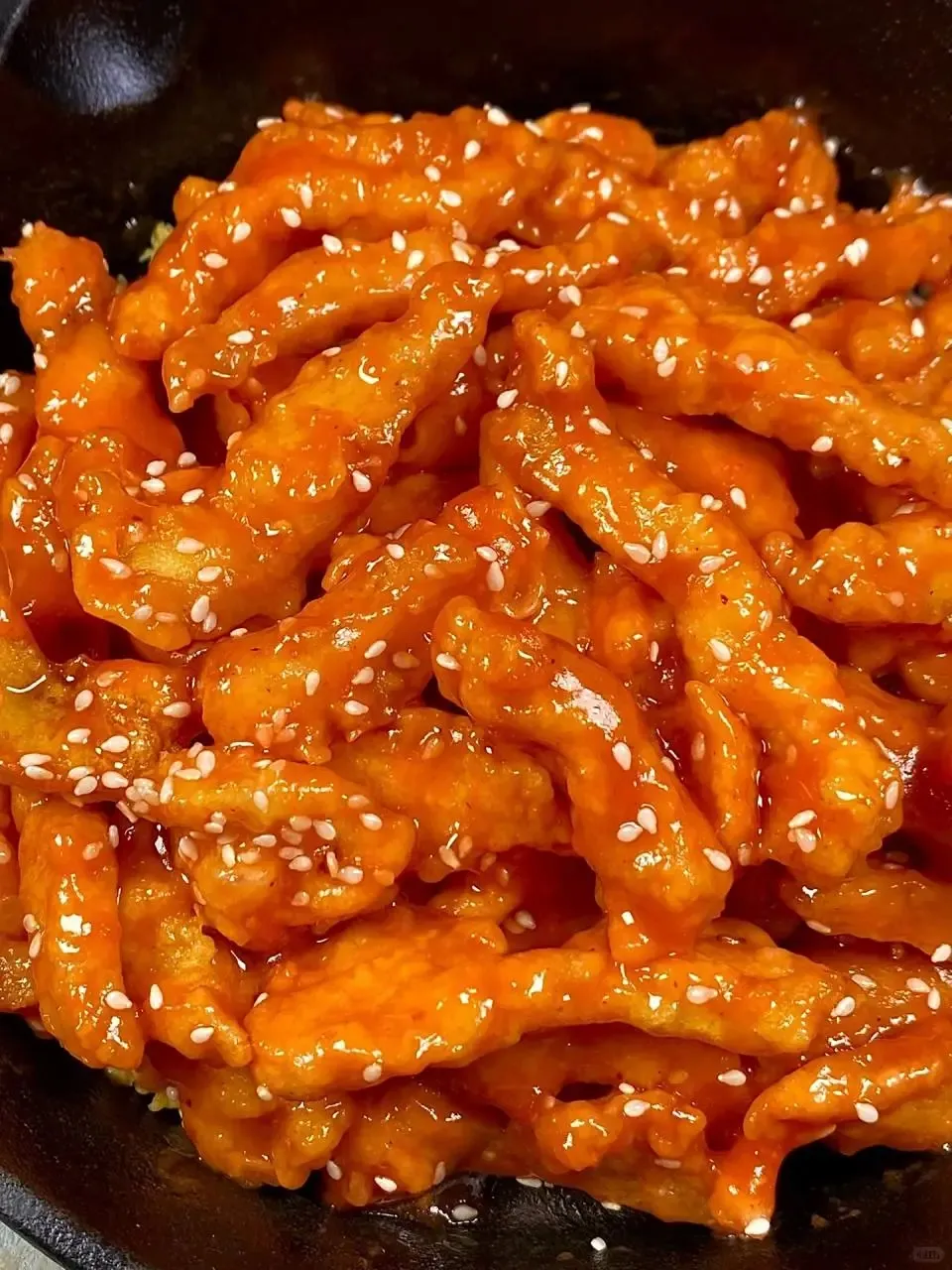
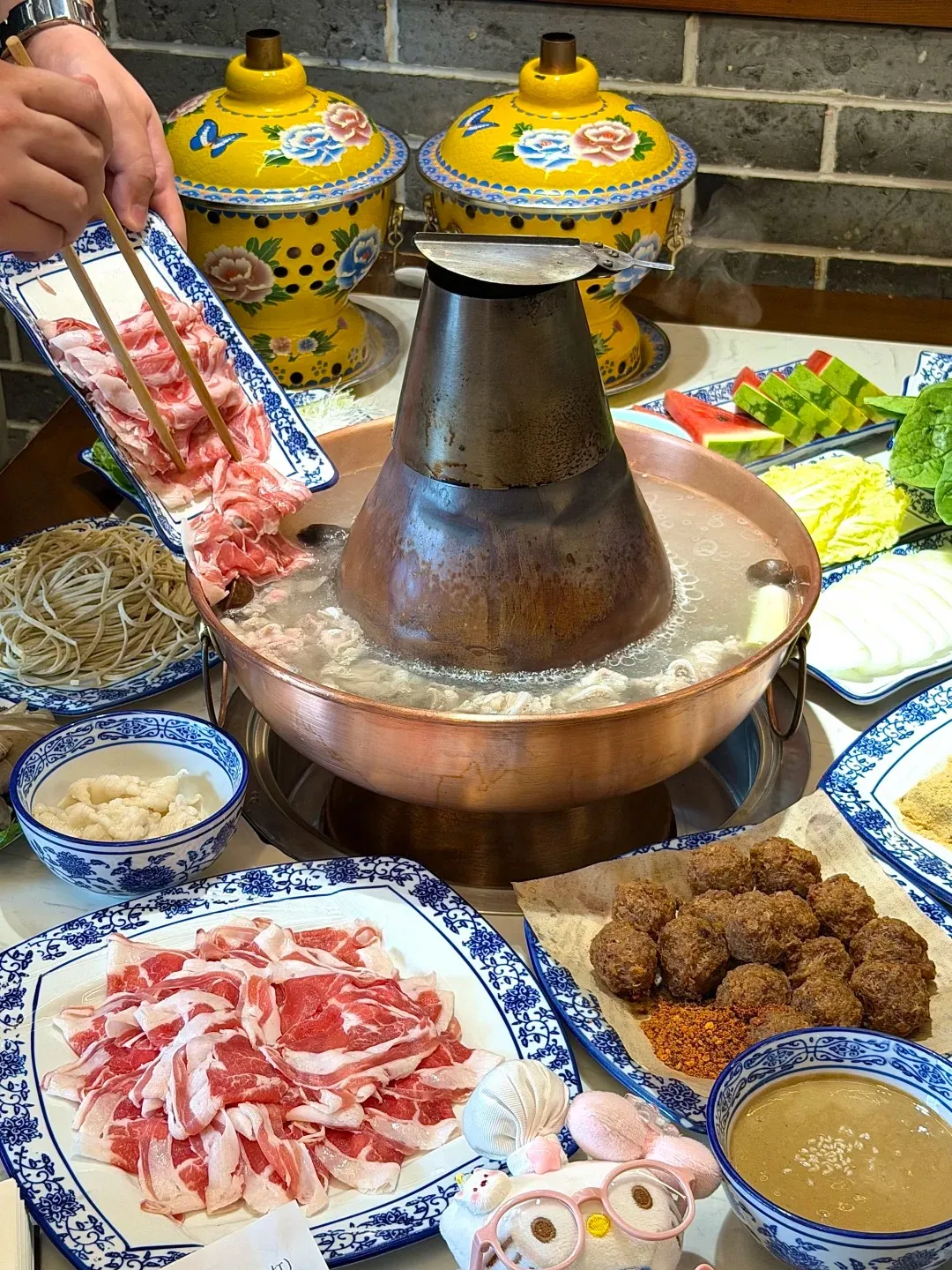
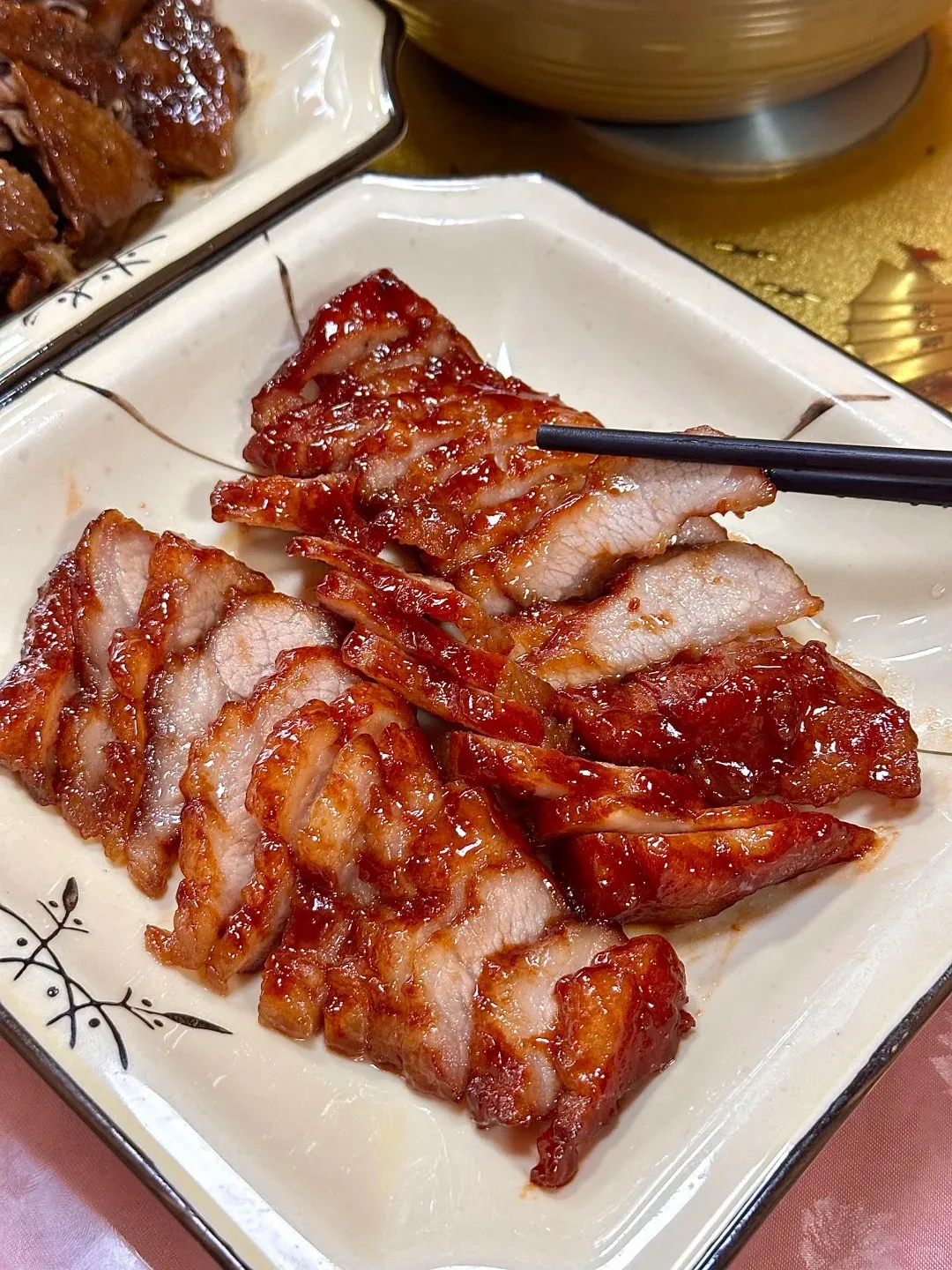
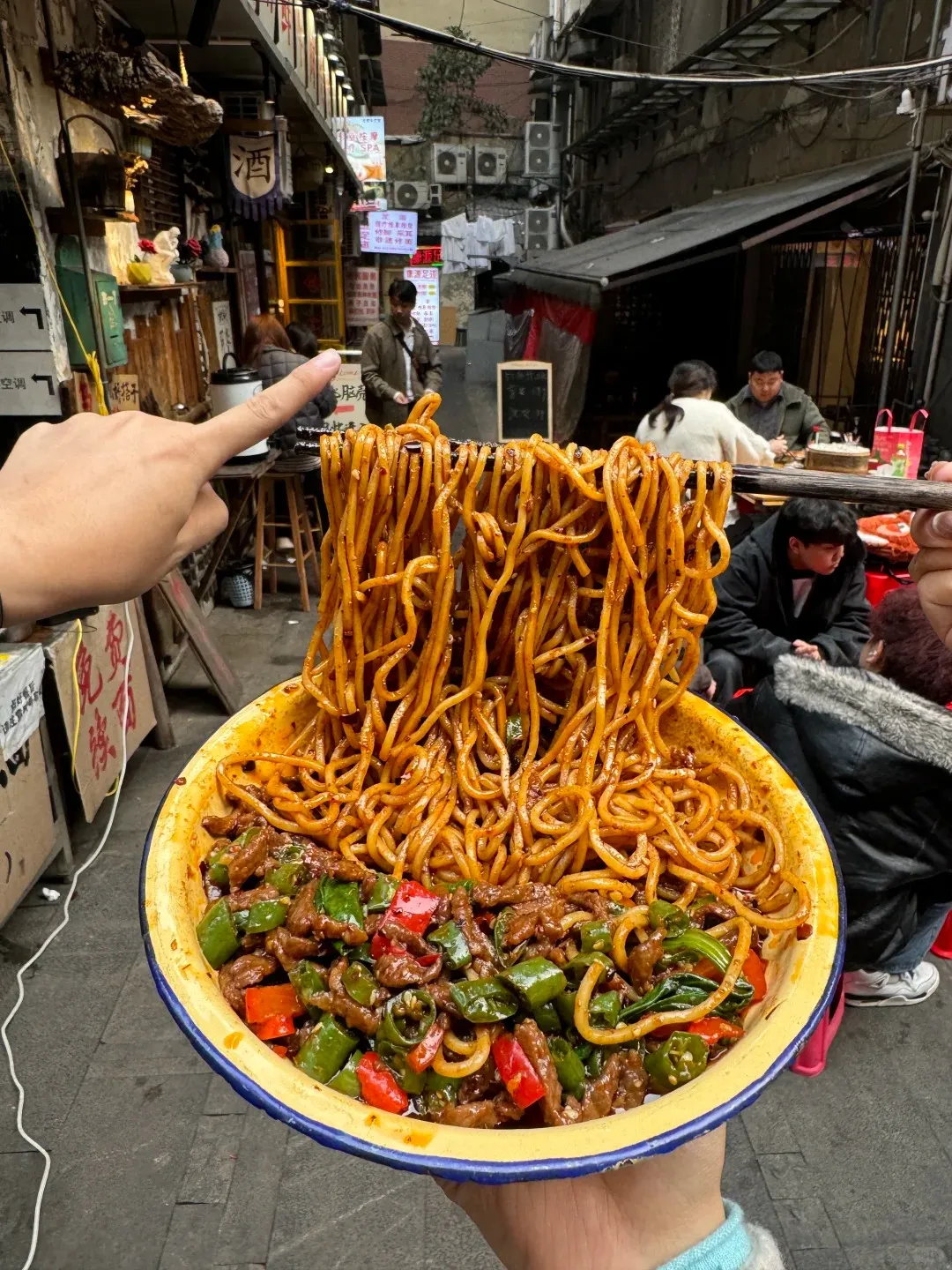
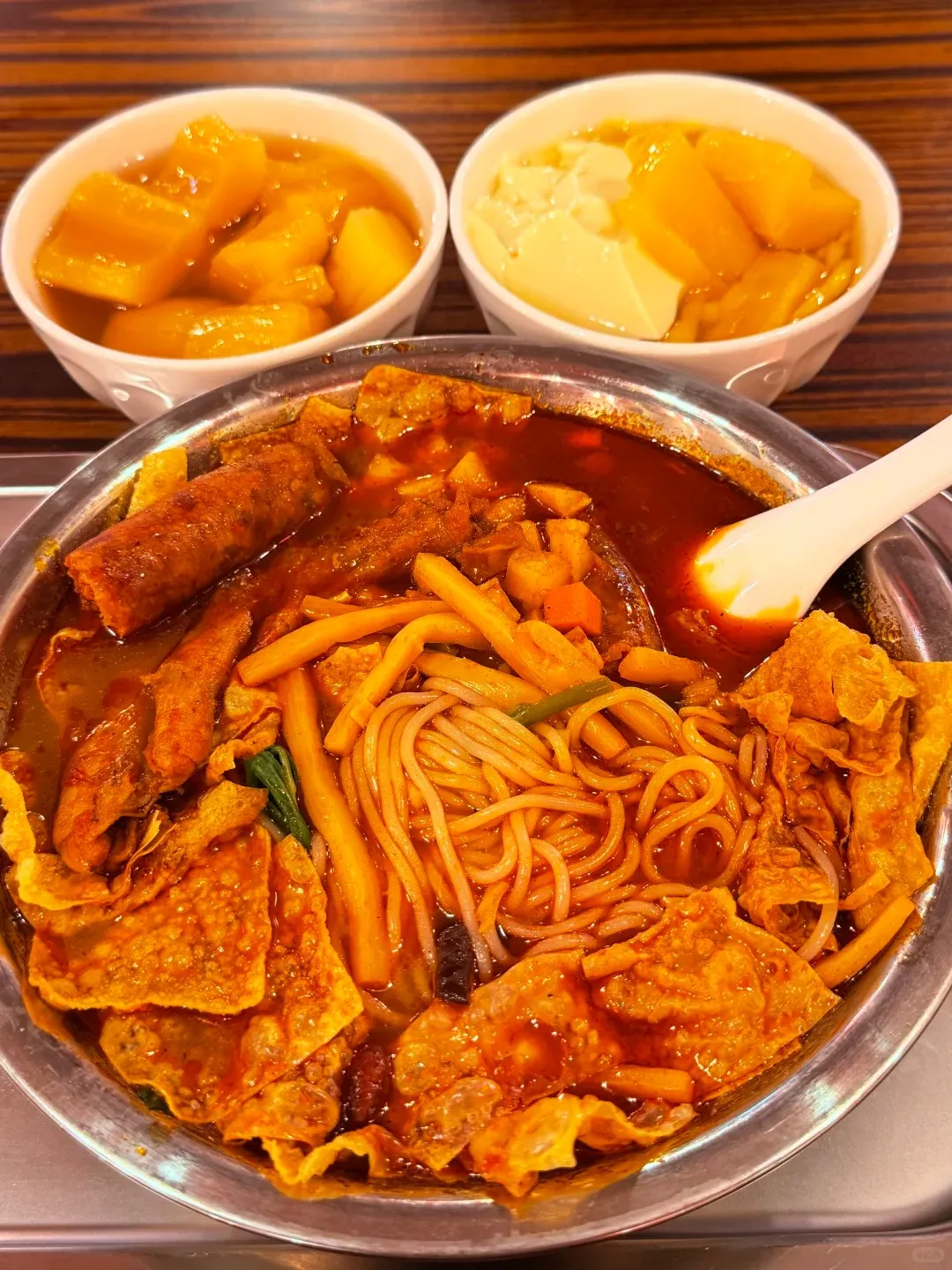
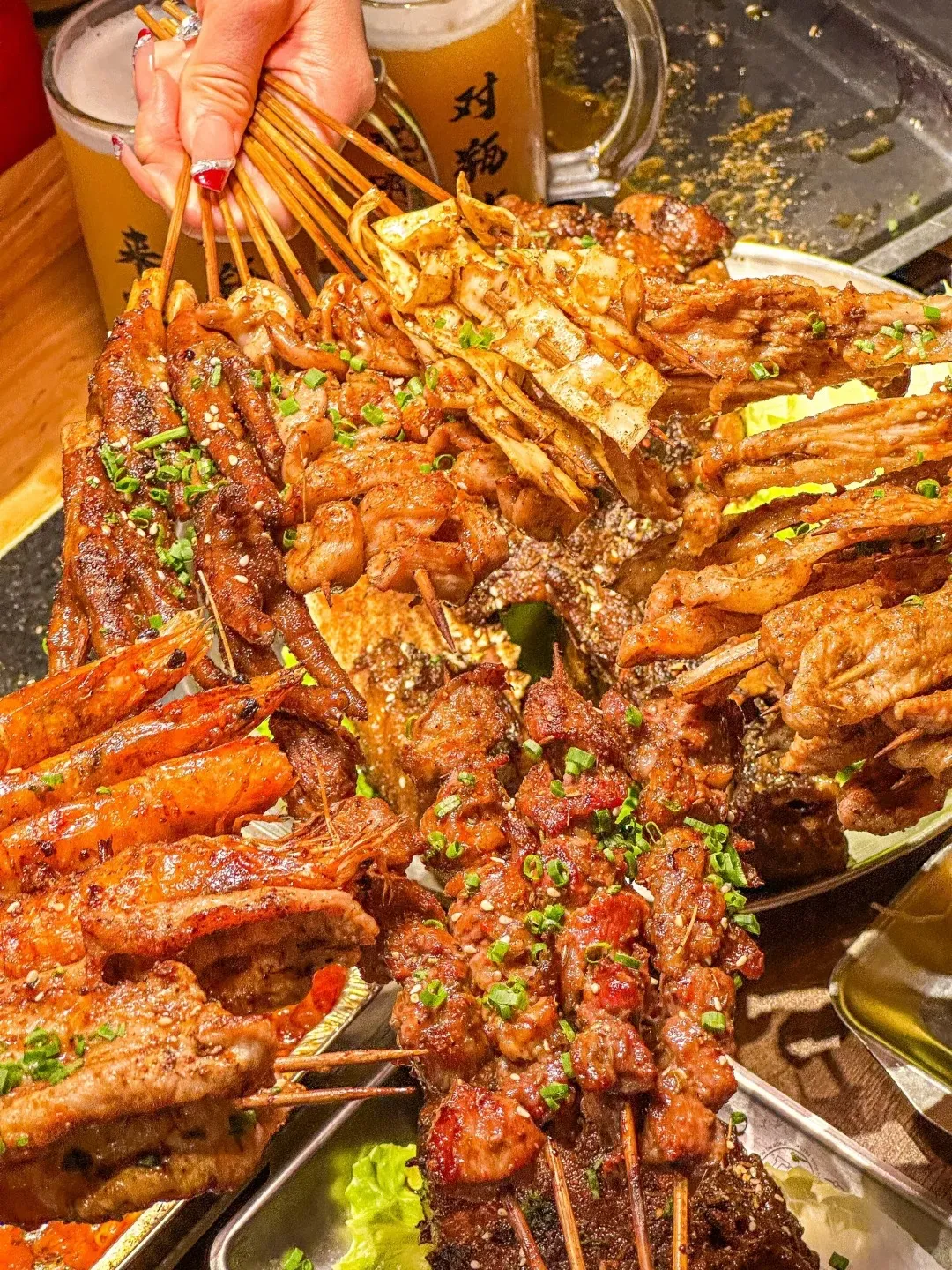
The Eight Great Cuisines
| Cuisine | Provinces & home turf | Flavor profile | Signature dishes to try |
|---|---|---|---|
| Lu (Shandong) | Shandong; the backbone of Beijing's court food | SaltyUmamiBraised, seafood-forward | Sweet & sour carp, braised sea cucumber with scallion, Dezhou chicken |
| Chuan (Sichuan) | Sichuan & Chongqing | SpicyRichNumbing mala, bold oil | Hotpot, mapo tofu, kung pao chicken, dandan noodles |
| Yue (Cantonese) | Guangdong, Hong Kong, Macau | LightSweetFresh, delicate, dim sum culture | Har gow & siu mai, char siu, wonton noodles, roast goose |
| Su (Jiangsu) | Jiangsu — Nanjing, Suzhou, Yangzhou | SweetLightSlow-braised showpieces | Squirrel-shaped mandarin fish, lion's head meatball, Nanjing salted duck |
| Zhe (Zhejiang) | Zhejiang — Hangzhou, Ningbo, Shaoxing | LightSweetFresh-water fish, tea-scented | Dongpo pork, West Lake vinegar fish, Longjing shrimp |
| Min (Fujian) | Fujian — Xiamen, Fuzhou, Quanzhou | UmamiLightSoups & seafood, never greasy | Buddha jumps over the wall, oyster omelet, sha cha noodles |
| Xiang (Hunan) | Hunan — Changsha, Zhangjiajie | SpicyRichHot & sour, farm-bold | Steamed fish head with chopped chilies, Chairman Mao's red-braised pork, Hunan rice noodles |
| Hui (Anhui) | Anhui — Huangshan & Huizhou villages | SaltyRichBraised wild mountain fare | Stinky mandarin fish, hairy tofu, bamboo-shoot braises |
Destinations matched to a cuisine
| Destination | Cuisine | What to expect | Must-try |
|---|---|---|---|
| Beijing | Lu-influenced Jing cuisine | Salty-umami, roast & wheat culture — duck, noodles, buns | Peking duck, zhajiangmian, jianbing |
| Shanghai | Su / Zhe (Hu cuisine) | Glossy and sweet — the "sweet tooth" city, no chili needed | Xiaolongbao, hongshaorou, scallion-oil noodles |
| Hangzhou | Zhe | Light, fresh, subtly sweet; tea-country cooking | Dongpo pork, West Lake vinegar fish |
| Chengdu | Chuan | Numbing mala everywhere — order wei la for mild | Hotpot, mapo tofu, dandan noodles |
| Chongqing | Chuan (hard mode) | The spiciest stop on your itinerary | Chongqing hotpot, xiaomian, lazi ji |
| Shenzhen | Yue | Light, fresh, dim sum till midnight; every cuisine via newcomers | Dim sum, roast goose, wonton noodles |
| Xiamen | Min | Soupy, seafood-first, umami and never greasy | Oyster omelet, sha cha noodles, peanut soup |
| Zhangjiajie | Xiang | Hot & sour, smoked pork, mountain-bold | Duo jiao yu tou, cured pork with peppers, rice noodles |
Can't handle spice? Learn two useful phrases: bu la (no spice) and wei la (mild). In Chengdu and Chongqing, ordering "wei la" is what the locals do.
Quick checklist
- Skip the tip everywhere — a warm "xiexie" beats cash.
- Carry tissues and a power bank; assume squat toilets outside malls.
- Check your next city's flavor line above before booking restaurants.
- Order family-style: one dish per person plus one, all shared.
China's culture shocks are the friendly kind: nobody wants your tip, everybody wants you to eat more.