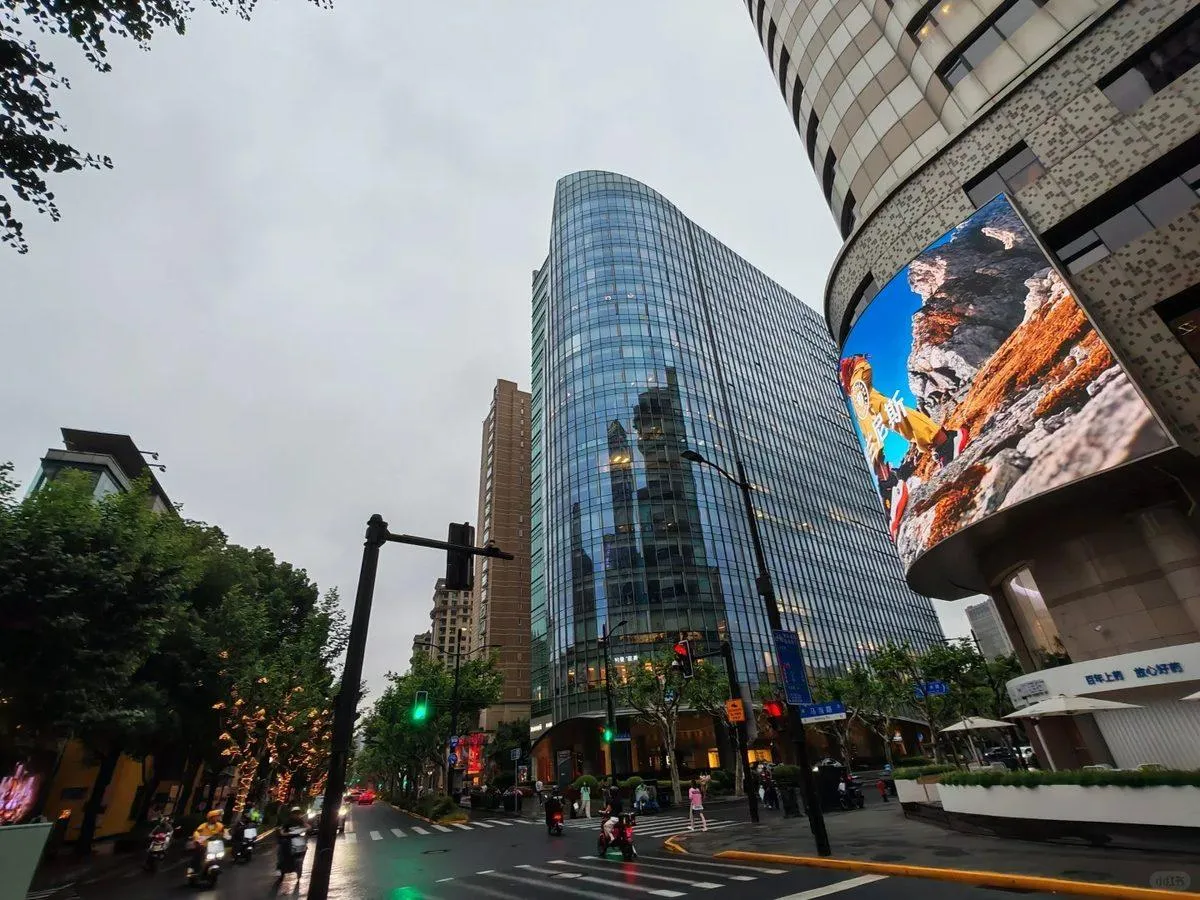
Xintiandi
Xintiandi preserves the outer language of Shanghai's shikumen houses while turning the interiors into restaurants, boutiques and event spaces. It is polished, international and expensive — best as an architecture-and-dinner stop, not as proof of everyday old Shanghai life.
First-time visitor essentials — the four worries solved
Passport: none is needed for the public lanes. The nearby Site of the First CPC National Congress is a separate museum with its own security and reservation rules; bring a passport if you plan to enter.
Payment: large restaurants and malls usually accept international cards as well as Alipay/WeChat Pay. Smaller pop-ups may be mobile-payment only.
Internet: save “上海新天地” and any restaurant name in Chinese. Table-booking confirmations may arrive through a mini-program or Chinese SMS.
Hotels: Xintiandi is a convenient but premium base. Budget-conscious first-timers can stay near People's Square and ride two or three metro stops.
A useful 3-hour visit
- 16:30 — arrive at Xintiandi station. Use Metro Line 10 or 13 and follow signs toward the shikumen block.
- 16:45 — walk the north and south blocks. Look at brickwork, stone gates and the shift from preserved façades to contemporary interiors.
- 17:30 — choose one cultural stop. Check the current exhibition programme or visit the nearby historical museum only if you already secured the required entry.
- 18:30 — dinner. Reserve popular restaurants on Friday and Saturday. Ask for a non-smoking table and confirm service charges or set-menu minimums.
- 20:00 — short evening walk. Continue toward Huaihai Road or return by metro before late-night taxi demand rises.
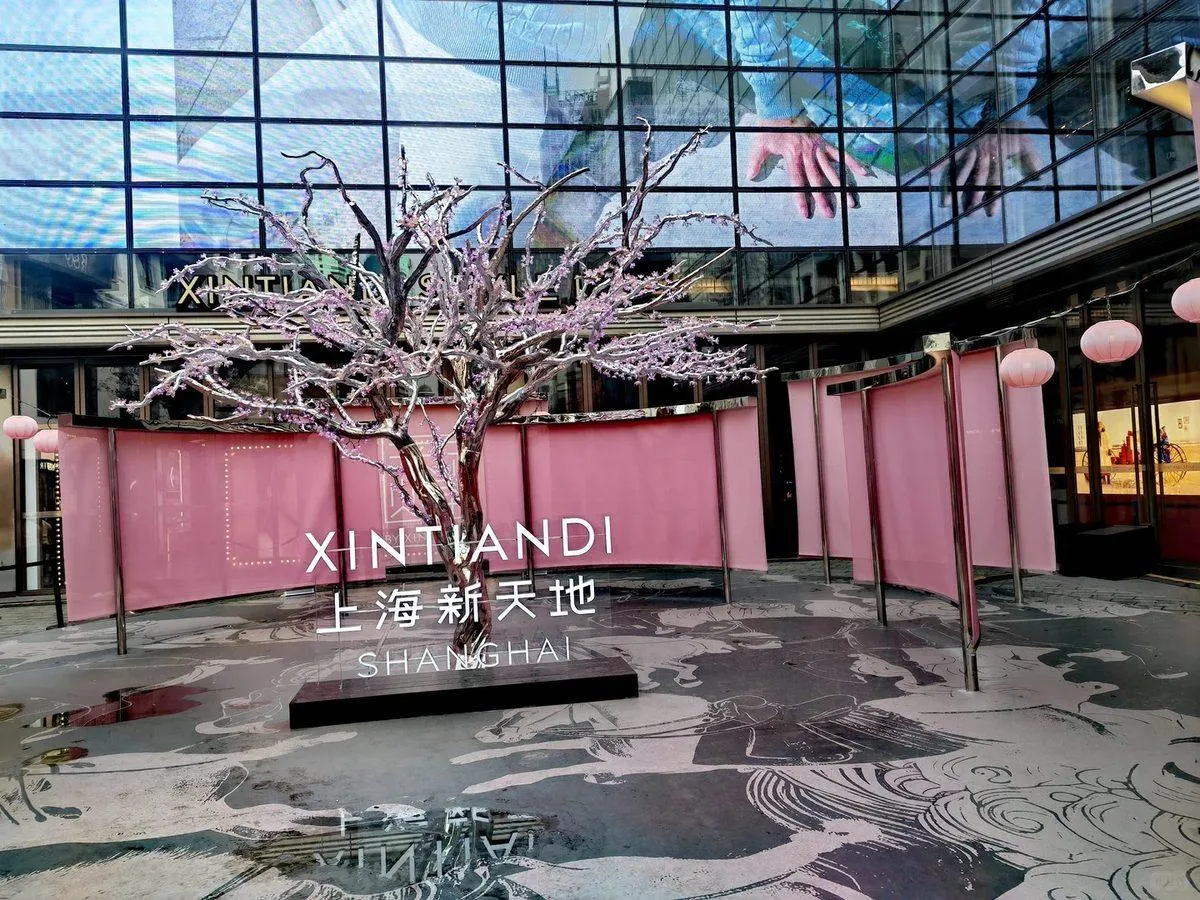
What to expect — and what not to expect
- Expect: restored shikumen façades, international restaurants, Chinese designer stores, public art and seasonal events.
- Do not expect: an untouched residential quarter. Xintiandi is a carefully managed urban-renewal and commercial district.
- For daily lane life: walk the Former French Concession or visit smaller residential streets respectfully.
- For a rougher artist quarter: Tianzifang is more tangled and less polished, though also touristy.
Food, reservations and price traps
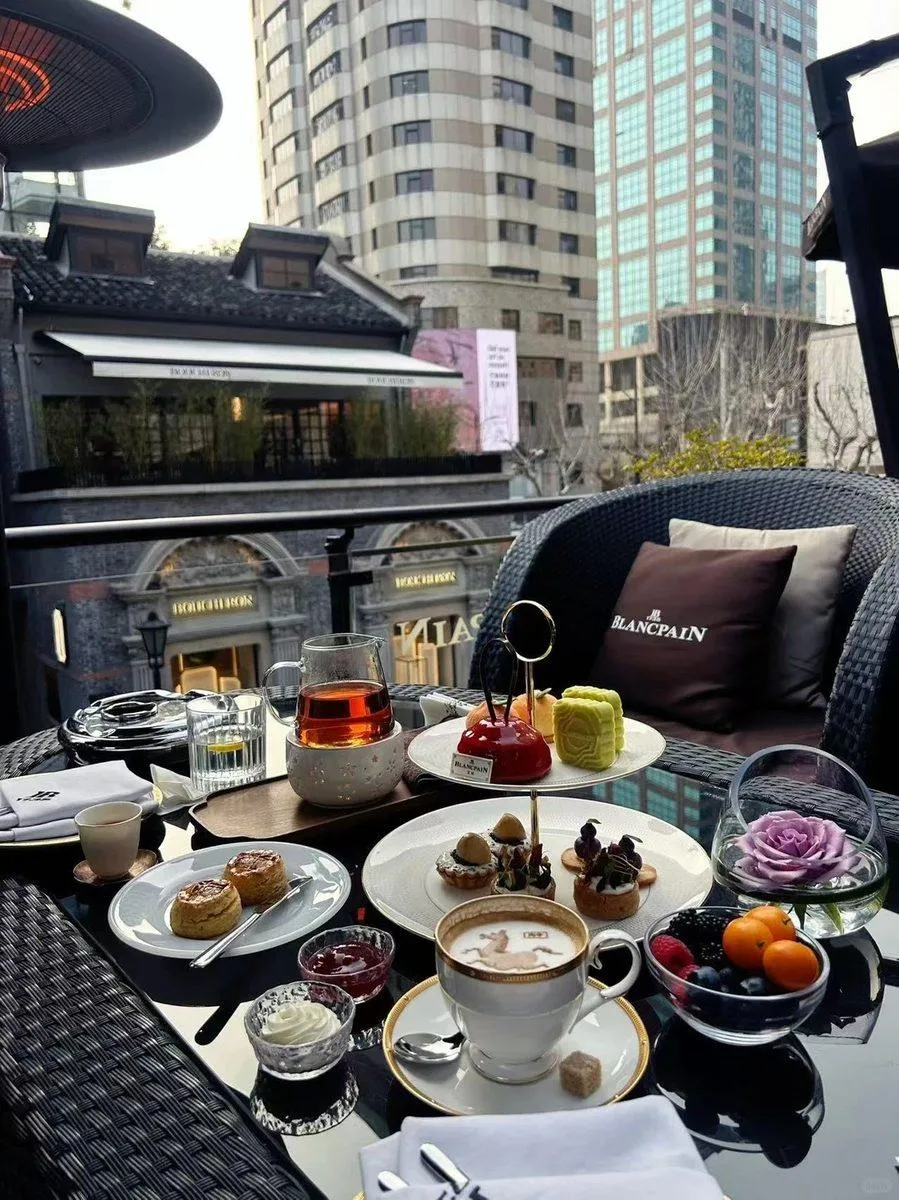
- Menus are often bilingual, and staff are more likely to speak some English than at a neighbourhood restaurant.
- Check whether prices exclude a service charge, especially at bars, hotel restaurants and set-menu venues.
- Do not follow promoters into an unlisted upstairs bar. Choose a place with a visible name, menu and recent map listing.
- Friday/Saturday dinner reservations matter. If a platform needs a Chinese number, ask the hotel concierge to call.
- For cheaper Shanghainese food, eat outside the core commercial blocks before or after the walk.
Foreign visitor practical notes
- Accessibility: the main commercial paths are accessible, but some preserved buildings have steps. Ask staff for the lift entrance.
- Toilets: use the malls and major restaurants rather than searching inside small lane buildings.
- Photography: public-lane photography is easy; ask before photographing inside shops or private events.
- Night transport: enter a named hotel, mall or street gate as the DiDi pickup point instead of “Xintiandi”.
- Rain plan: the district still works in rain because malls and restaurants are close, but old stone paths can be slick.
Before leaving the hotel
- Book dinner if visiting Friday or Saturday.
- Save the exact restaurant and pickup gate in Chinese.
- Carry a payment backup and confirm card acceptance before ordering.
- Check whether the nearby museum needs a separate reservation.
Official check before you go
Check current exhibitions and events on the official Shanghai tourism Xintiandi page.