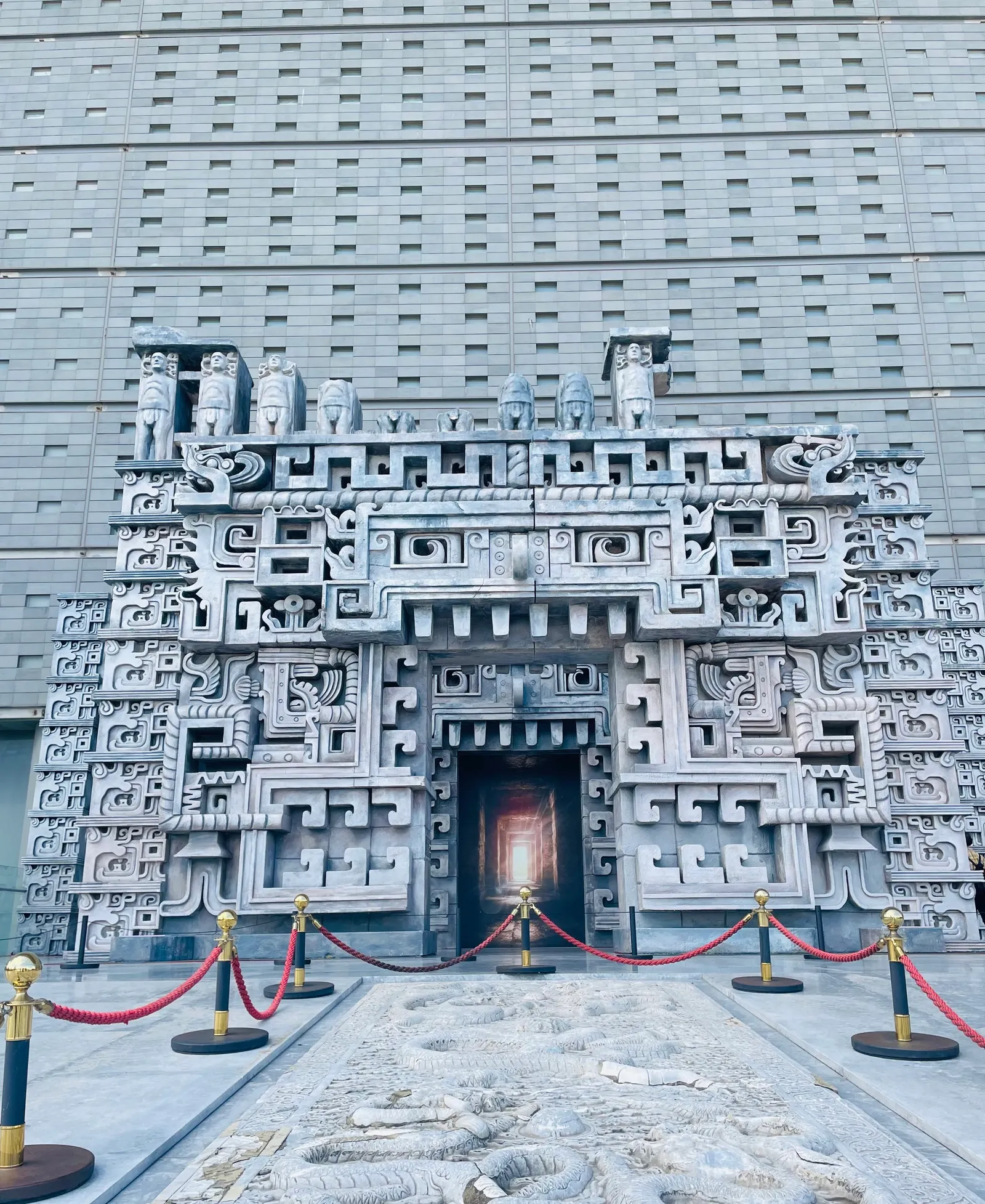
The Capital Museum (首都博物馆)
Beijing's best free museum — bronzes, porcelain, jade and old-Beijing life under one roof. The displays are world-class; the only real difficulty is the booking system. This guide fixes that, and the other three things first-timers panic about.
What it is
The Capital Museum (首都博物馆) opened in its current building in 2005, a short hop west of Tian'anmen. It's the city's flagship museum of Beijing history and Chinese art — and unlike the Forbidden City, it's air-conditioned, crowd-managed, and free. The collections are genuinely top-tier:
- Bronzes (青铜器) — ritual vessels from the Yan state, 3,000 years old.
- Porcelain (瓷器) — blue-and-white, doucai, monochrome wares from the imperial kilns.
- Jade (玉器) — carved dragons, bi discs, scholar objects.
- Buddhist sculpture (佛造像) — gilt statues across dynasties.
- Old Beijing folk life (老北京民俗) — weddings, festivals, courtyard life; the easiest and most fun hall for non-experts.
- Beijing history (北京史) — from Neolithic settlements to the republican city.
- The "Eight Imperial Crafts" (燕京八绝) — cloisonné, carved lacquer, jade, on the top floor.
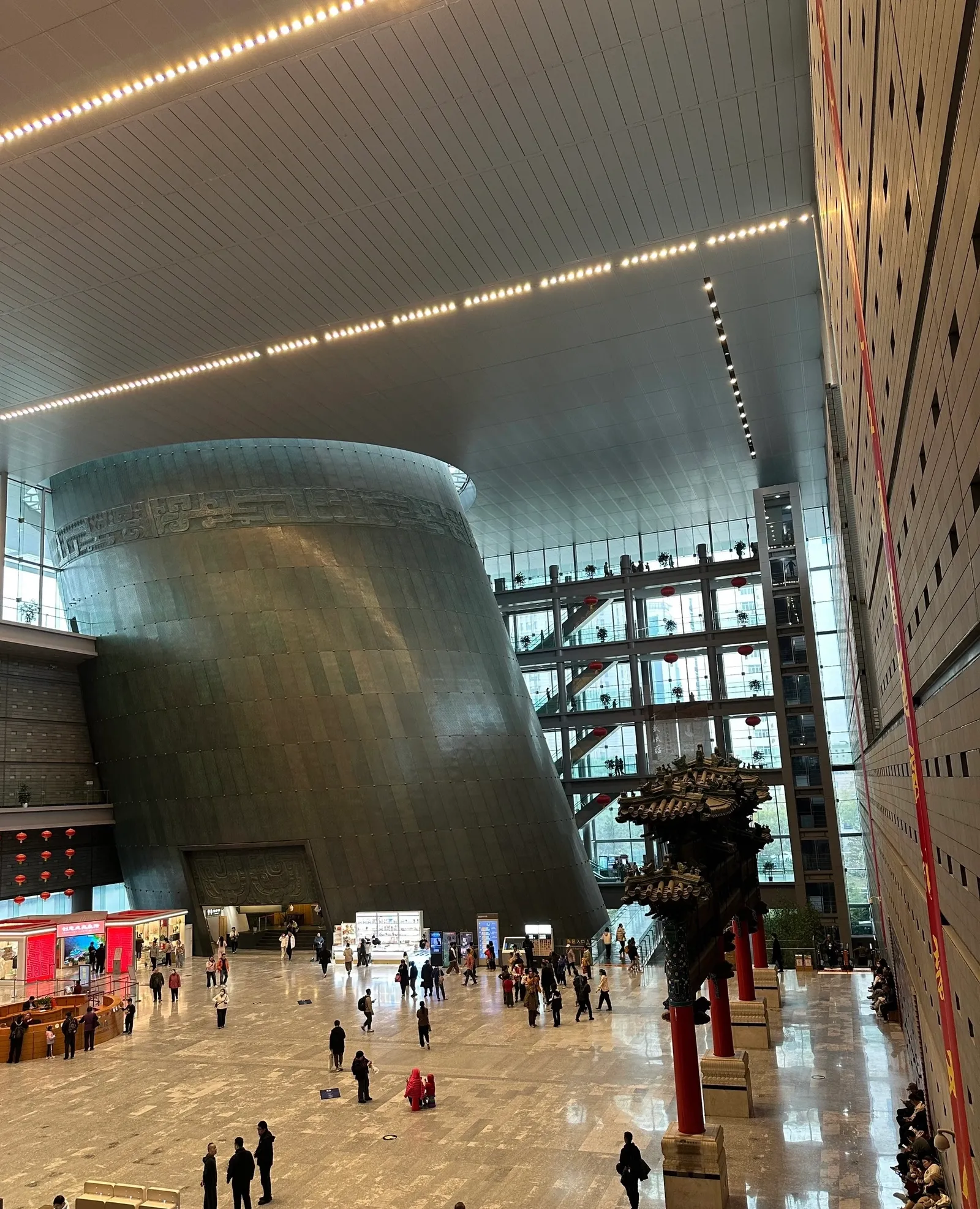
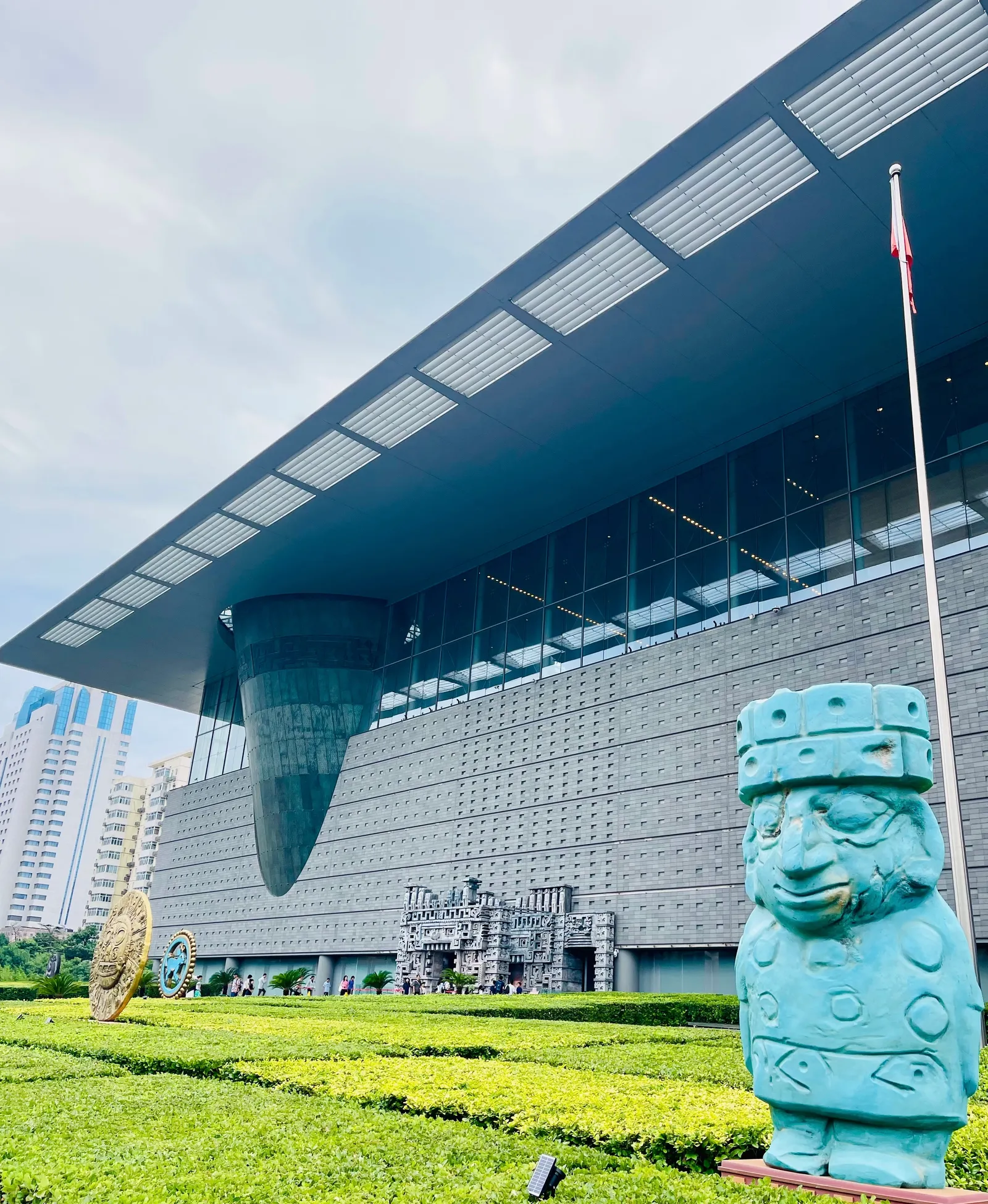
The building itself is a sight: a giant oval bronze hall rising through a square base, with a hanging vermilion colonnade in the atrium. Even if you're "not a museum person," the folk-life and porcelain halls are worth the trip.
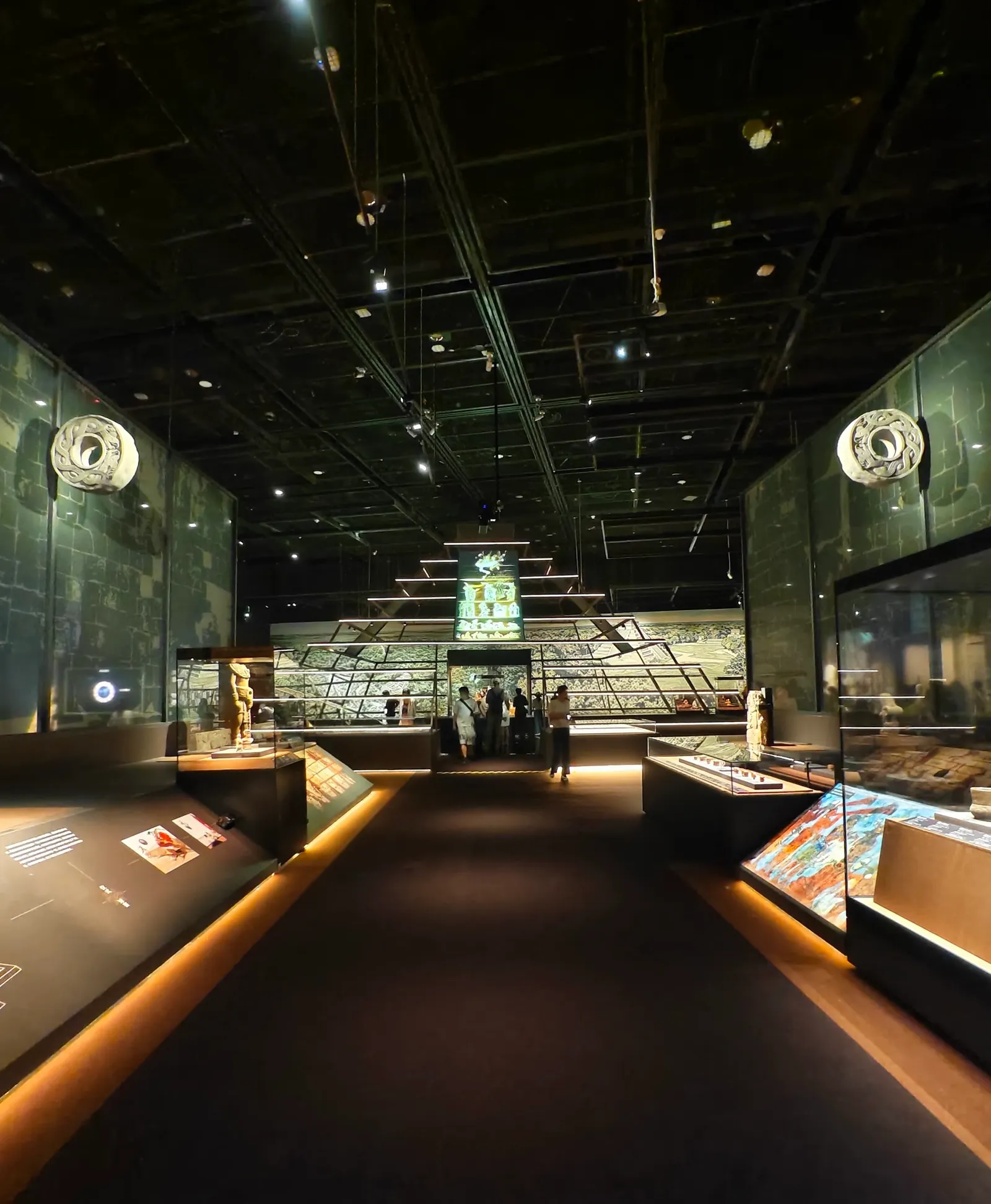
First-time visitor essentials — the 4 worries, solved
Most Americans don't stress about whether the Great Wall is worth it. They stress about four "can I actually pull this off?" questions. Here are the answers, specific to a Beijing museum trip:
1. Visa — get it before you fly
- Tourist visa (L): apply at a Chinese embassy/consulate before departure — typically a single-entry 30/60/90-day visa. Allow 2–4 weeks.
- Visa-free transit: many nationalities get 240 hours (10 days) visa-free when transiting through a Chinese city with a confirmed onward ticket. Great if Beijing is a stopover.
- Why it matters here: you can't enter the museum (or the country) without legal status, so sort this first. Once in Beijing, the museum itself needs only your passport at the door — see booking below.
2. Money — go cashless, correctly
- The museum entry is free, but the café and gift shop are cashless — they take Alipay or WeChat Pay only.
- Set up before you leave home: install Alipay, tap "Tour Pass" (or link a Visa/Mastercard in the app), and you can pay by scanning a shop's QR. WeChat Pay works the same but Alipay's foreign-card flow is smoother.
- Carry a little cash (¥200–300) as backup; some taxis and tiny stalls still prefer it, but you will rarely need it.
3. Internet — eSIM first, don't rely on the museum Wi-Fi
- Buy an eSIM or enable roaming before you land (Google, Airalo, or your carrier's intl plan). This is what makes maps, translation, and ride apps work.
- The museum has free Wi-Fi, but registering needs a Chinese phone number — painful for visitors. Use your eSIM instead.
- You'll want data inside for: Gaode/Baidu Maps (to find the museum and your exit), a camera-translate app for labels, and the museum's audio-guide (scan the QR by each case — needs internet).
- Note: Google, Gmail, WhatsApp, Instagram don't work without a VPN. Plan around that.
4. Hotels — book on the right platform, bring your passport
- Book via Trip.com, Booking.com or Agoda — these filter for hotels licensed to host foreigners ("涉外"). Many small Chinese hotels legally can't check in non-Chinese guests, so never book a random one off a map.
- You must show your passport at check-in — hotels register foreign guests with the police. No passport, no room. Keep it handy.
- Where to stay for this museum: anywhere on Line 1 works; the museum is at Muxidi (木樨地). Central picks like Wangfujing, Qianmen or Gulou put you 20–30 min away by subway and near food/nightlife. Book 1–2 weeks ahead in spring/autumn.
Before you go (the booking trap)
- Free, but you MUST reserve a timed ticket. Walk-ins are generally not accepted. Book on the official WeChat account "首都博物馆" (search in WeChat) up to a few days ahead, picking a date and entry time. It's Chinese-only and asks for your passport number.
- Stuck on the booking? Ask your hotel concierge to reserve for you, or have a Chinese-speaking friend do it. Some travelers also book through the museum's website. Don't show up hoping to walk in.
- Closed Mondays. Open Tue–Sun, roughly 9:00–17:00 (last entry ~16:00).
- ID at the door: bring the same passport you booked with — they check it against your reservation.
- Get online first (see internet tip above) — you'll want maps and the audio guide.
How to get there
- Subway (best): Line 1 to Muxidi (木樨地), Exit C — the museum is a 5-minute walk. Show "木樨地" to the metro staff if the screen confuses you.
- From the Forbidden City / Tian'anmen: ~20 min by subway (Line 1 westbound) — pair it as a cool-indoors counterpoint to the outdoor sights.
- Bus / DiDi: many buses stop on Fuxingmenwai Dajie; tell the driver "首都博物馆" (show the characters). DiDi drops you at the north entrance.
- Free coat/bag check at the entrance — use it; you'll walk a lot of marble.
The route that works (游览路线)
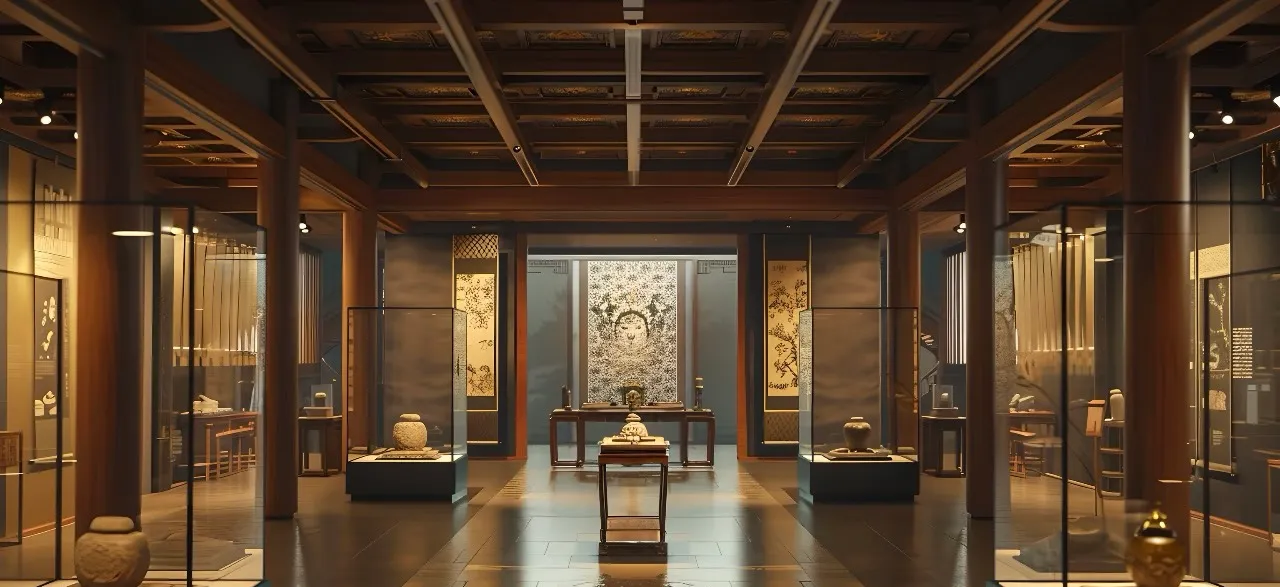
The building is tall and the collections are huge — a smart order saves your legs and your attention. Plan 2.5–3 hours:
- Atrium first (1F): look up at the bronze hall and the hanging red colonnade — the signature photo. Pick up the floor map.
- 4F — Beijing history + Old Beijing folk life: start here for context. The folk-life hall (weddings, festivals, courtyard homes) is the most relatable and fun.
- 2F — Porcelain + Yan bronzes: the headliners. Blue-and-white and the bronze ritual vessels are the "wow" stops.
- 3F — Jade + Buddhist sculpture: quieter, beautiful, good for a slower pace.
- 5F — The Eight Imperial Crafts: cloisonné, carved lacquer, jade — a short, dazzling finish.
- B1 — Temporary exhibitions: only if a show interests you; skip if you're short on time.
Short on time? Do 4F folk life → 2F porcelain+bronzes → out. That's the 90-minute highlight reel.
Watch out for
- The booking system: this is the #1 pain point. Reserve ahead; don't assume walk-in.
- Passport mismatch: the passport you book with must be the one you bring. Double-check.
- Language: almost all labels are Chinese. Use the QR audio guide (needs internet) + a camera-translate app. English leaflets are limited.
- Cashless café/shop: Alipay/WeChat only — see the money tip above.
- Security: airport-style bag scan at entry; no large bags, no tripods, no drones.
- Toilets: Western-style ones exist here (a relief after the hutongs), but carry tissues just in case.
- Crowds: weekends and school holidays get busy midday; go right at opening (9:00) for empty halls.
Prepare before you leave (the short version)
- Book the timed ticket on the official WeChat account a few days ahead (passport number ready).
- Set up Alipay Tour Pass and your eSIM/roaming before flying.
- Charge your phone — you'll use it for maps, translation and the audio guide all visit.
- Pack light (coat/bag check is free but the less you carry, the happier you are).
Best time to visit
Weekday mornings at opening (9:00) are best — empty halls, cool light, no school groups. Avoid weekends, public holidays, and the summer break (Jul–Aug) if you can. Spring and autumn are the pleasantest months to be in Beijing overall.
- Visa? Get a tourist (L) visa before you fly, or use 240-hour visa-free transit. The museum just needs your passport.
- Money? Free entry; link a card to Alipay Tour Pass for the café/shop. Cash barely needed.
- Internet? eSIM/roaming before landing — museum Wi-Fi needs a Chinese number. Use data for maps + audio guide.
- Hotel? Book on Trip.com/Booking (foreigner-licensed), bring your passport to check in. Stay on Line 1; Muxidi is the museum stop.