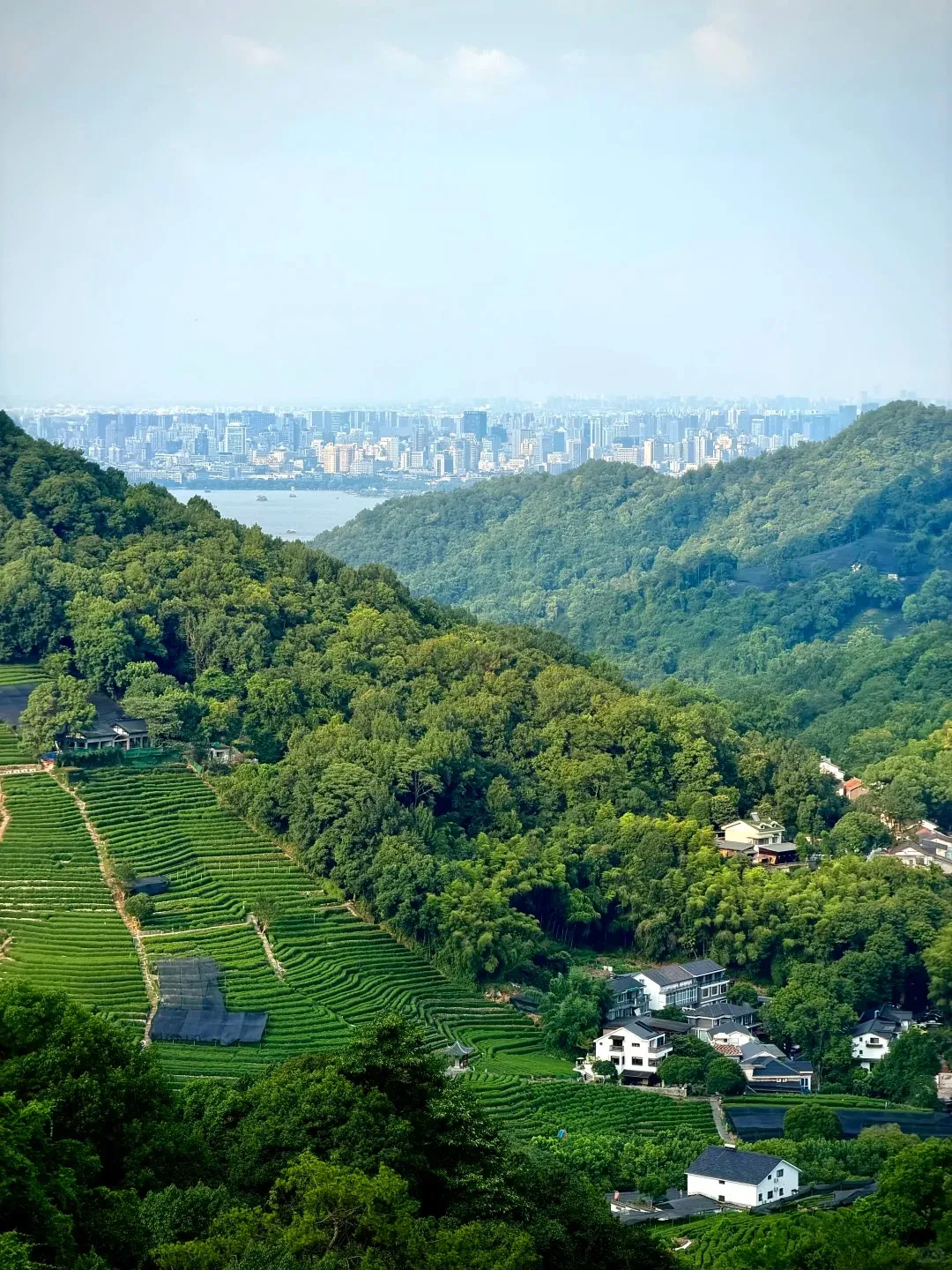
Longjing Tea Village (龙井村)
The terraced hills southwest of West Lake where China's most famous green tea — Longjing, or "Dragon Well" — is grown. For foreigners it is a calm, photogenic half-day: walk between tea bushes, taste a fresh brew, and learn why a few grams of pre-Qingming Longjing can cost more than a good dinner. Just know the difference between a real village tasting and a tourist trap.
First-time visitor essentials — the 4 worries, solved
Visa: The village and fields are public; no ticket or passport. The China National Tea Museum is free but requires a real-name timed ticket — bring your passport.
Money: Walking is free. A guided tasting at a village house is ~¥30–80 per person; real Longjing to buy starts around ¥200–400/jin (500 g) and climbs steeply for pre-Qingming leaves. Carry cash for small family stalls.
Internet: Hillside signal is patchy. Download offline maps and book the Tea Museum on Trip.com or its WeChat mini-program before you go.
Hotels: Stay near West Lake or Wulin Square. Longjing is 25–40 minutes by taxi or bus. A few tea-themed guesthouses exist in the village if you want to wake up in the fields.
Before you go
- What it is: Longjing Village (龙井村) and the surrounding hills, including the China National Tea Museum (中国茶叶博物馆) and the start of the Nine Creeks hike. This is the home of Hangzhou's protected Longjing tea.
- Cost: Village and fields free; Tea Museum free with timed ticket; tea tastings ~¥30–80; tea by weight varies enormously.
- Best time: March–April for spring picking and the freshest tea (and highest prices); May–October for green terraces and walking; autumn after rain for mist and empty paths.
- Opening hours: The village is always open. The Tea Museum is usually 09:00–16:30, closed Mondays. Tea houses open roughly 08:00–18:00.
- Booking: Book the Tea Museum in advance through its WeChat mini-program or Trip.com. No booking needed for the village itself.
How to get there
- Bus 27 (classic route): From Lingyin Temple (灵隐) or Six Parks / Shaonian Gong (少年宫) take bus 27 to Longjing Village (龙井村). The route winds through tea hills and is scenic, but can be crowded on weekends.
- Bus 87: Connects Longjing to Su Causeway and the south side of West Lake. Useful if you are already near Huagang Park.
- Taxi / DiDi: Say "Qù Lóngjǐng Cūn" (去龙井村) or "Lóngjǐng Cháwén Cūn" (龙井茶问村). From West Lake it is 25–35 minutes and ¥30–60. Taxis are easier to find going up than coming back down — pre-book your return.
- From Lingyin Temple: Bus 27 is the natural continuation after a morning temple visit. The Tea Museum and Longjing Village are on the same road.
- From Hangzhou East Railway Station: Metro Line 1 to Longxiangqiao, then bus 27 from the lake area. Allow about 90 minutes.
- Hiking approach: Walk from Nine Creeks (九溪) up through bamboo and tea terraces to Longjing Village — about 1.5 hours of gentle uphill. One of the best free walks in Hangzhou.
How long to spend
- Quick visit: 1.5–2 hours — walk the village lanes, take photos of the terraces, have one cup of tea.
- Standard visit: 2.5–3.5 hours — add the Tea Museum and a proper tasting.
- With a hike: 4–5 hours — include the Nine Creeks trail or a walk over to Manjuelong.
What most visitors love (the classic highlights)
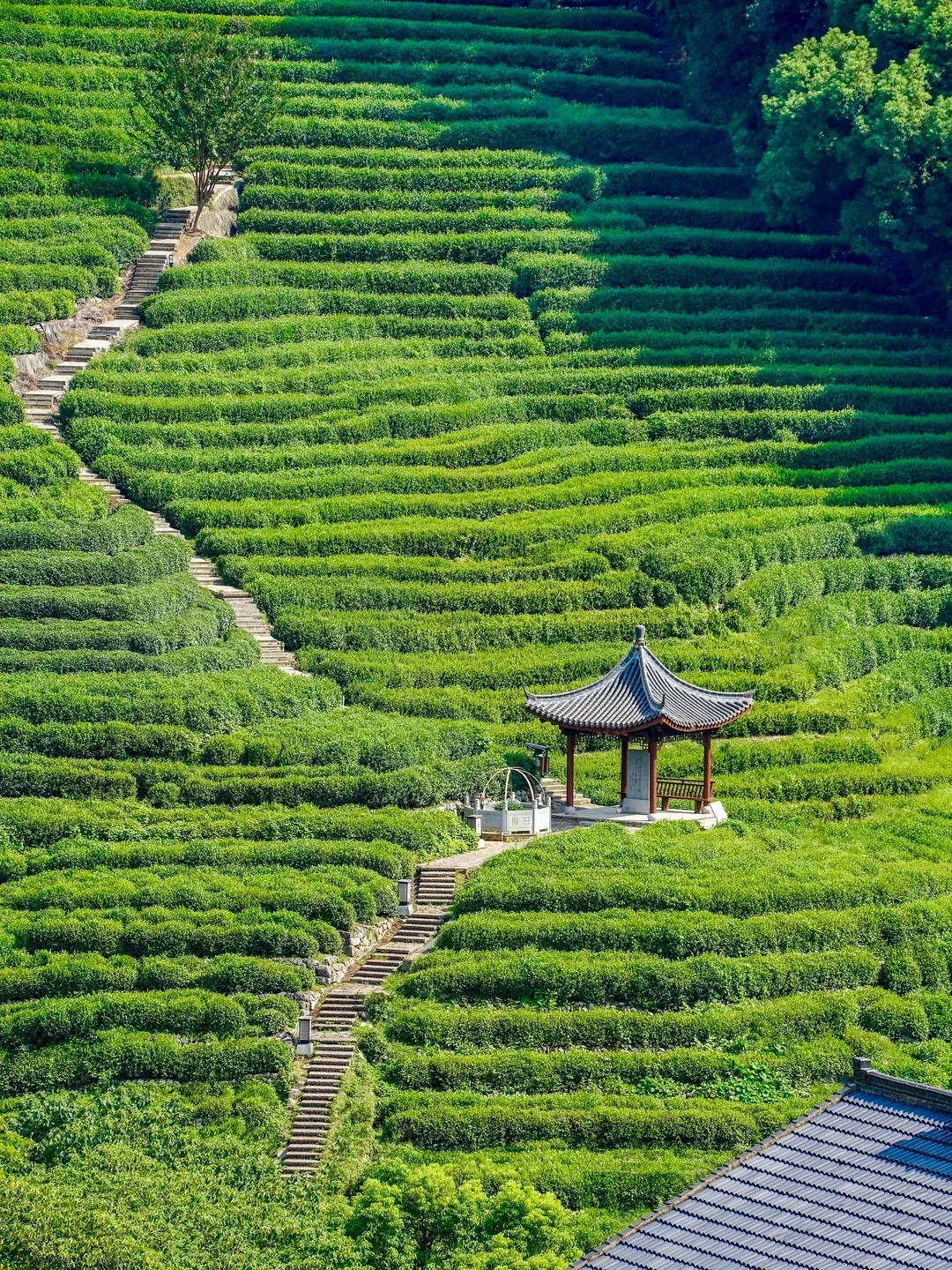
- Walk the terraces: stone paths thread the tea fields above the village, with views back toward the city. The classic photo is rows of bushes against the sky.
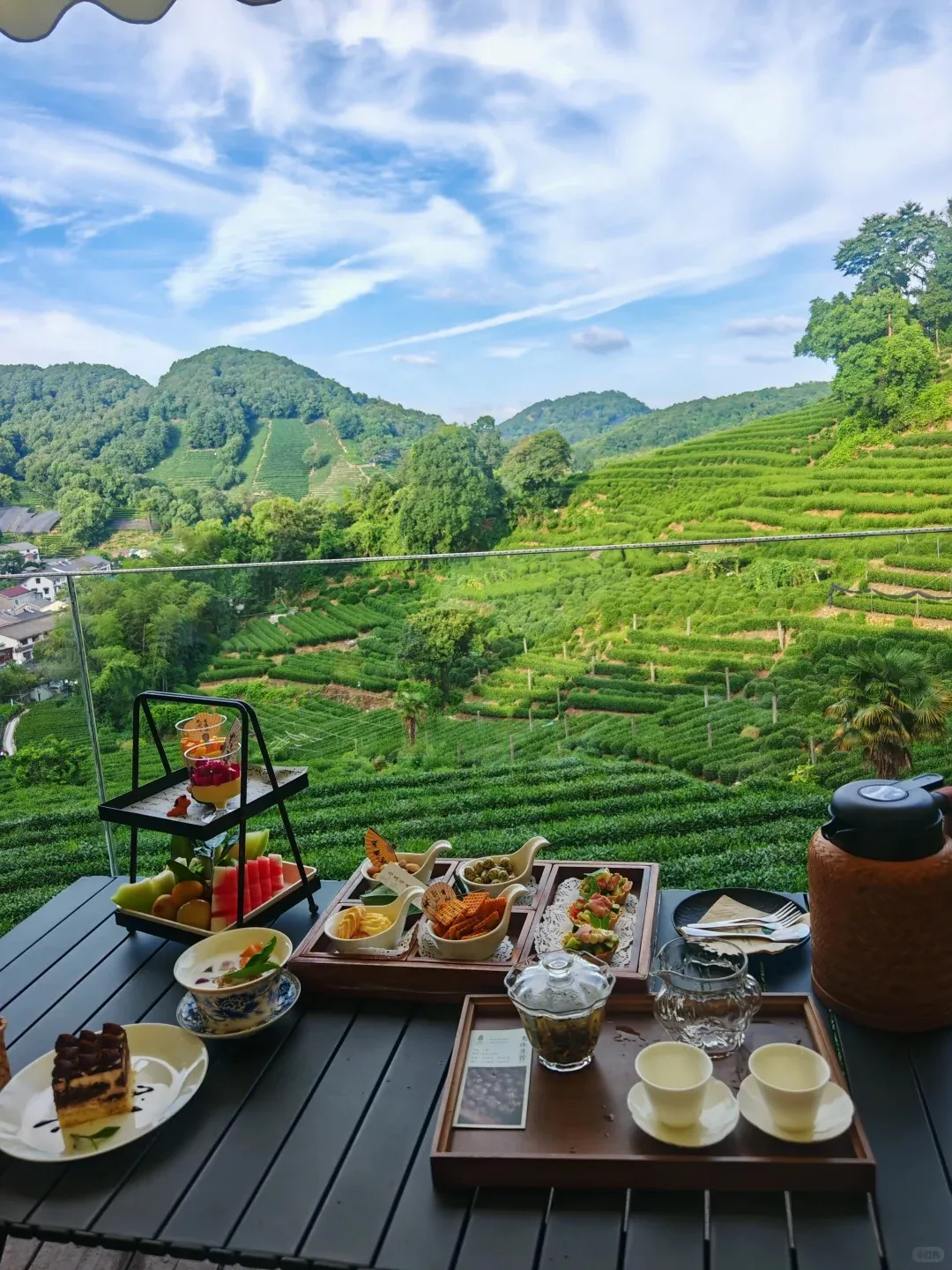
- Taste Longjing: a proper cup is pale green, nutty and slightly sweet. Pre-Qingming (清明前) leaves are the most prized; later harvests are still good and much cheaper.
- China National Tea Museum: free, well-designed museum covering tea history, processing and customs. The Longjing branch is in the village; the main branch is on Longjing Road nearby.
- Watch pan-firing: in spring some village houses demonstrate the hand-roasting process that gives Longjing its flat shape and toasted flavor.
- Tea shopping: buy a small sealed pack as a souvenir. A reputable shop will let you smell and taste before you decide.
Hidden gems and local favorites
- Nine Creeks and Eighteen Gullies (九溪十八涧): a shady hike from Longjing down toward the Qiantang River. You cross streams on stepping stones and pass bamboo groves and tea fields. Best after rain, but the stones are slippery.
- Wengjiashan (翁家山): the next village up the hill, quieter than Longjing and known for its own tea. Walk the ridge road for better views and fewer crowds.
- Shifeng (狮峰山): the most famous Longjing-producing slope. The best leaves come from here, but the mountain is also a peaceful place to escape the village.
- Manjuelong (满觉陇): a nearby valley famous for osmanthus flowers in autumn. Pair it with Longjing for a longer walk.
- Early morning: visit before 09:00 to see pickers in the fields and to drink tea without the tour groups.
- Local farmhouses: some families open their courtyards for simple home-style meals with fresh vegetables. Prices are fixed and reasonable — ask at your guesthouse or a village shop.
Things to watch out for
- The "family teahouse" scam: Strangers near West Lake or in the village may invite you to a "family teahouse" for a "free" tasting, then charge hundreds of yuan. Politely refuse unsolicited invitations.
- Price per gram: Tea is sold by weight, and prices can be quoted per 50 g or per jin (500 g). Confirm the unit before agreeing. Real pre-Qingming Longjing from Shifeng can cost ¥1,000+ per jin; if someone sells it for ¥100, it is not real.
- Fake Longjing: Much "Longjing" sold to tourists is actually tea from other provinces. Buy from a shop with clear sourcing, or purchase at the Tea Museum gift shop.
- Pushy vendors: If a shop owner follows you down the street, leave. Reputable sellers do not chase customers.
- Slippery paths: The terraced paths are narrow, wet and sometimes muddy. Wear proper shoes, not sandals or flip-flops.
- Taxis back: There are few taxis waiting in the village, especially after 17:00. Pre-book your return DiDi or check the last bus time.
- English is limited: Most village houses speak little English. Use a translation app, or book a tasting through a platform that includes an English-speaking host.
- Tea Museum closed Monday: Plan around it if the museum is a main reason for your visit.
Quick facts
| Chinese name | 龙井村 (Lóngjǐng Cūn) |
|---|---|
| Location | Southwest of West Lake, in the tea hills |
| Entry | Free |
| Paid extras | Tea tasting ~¥30–80; tea by weight; Tea Museum free |
| Best transport | Bus 27 from Lingyin or the lake; taxi |
| Time needed | 2.5–3.5 hours; 4–5 hours with a hike |
| Best for | Tea culture, terraces, hiking, photography |