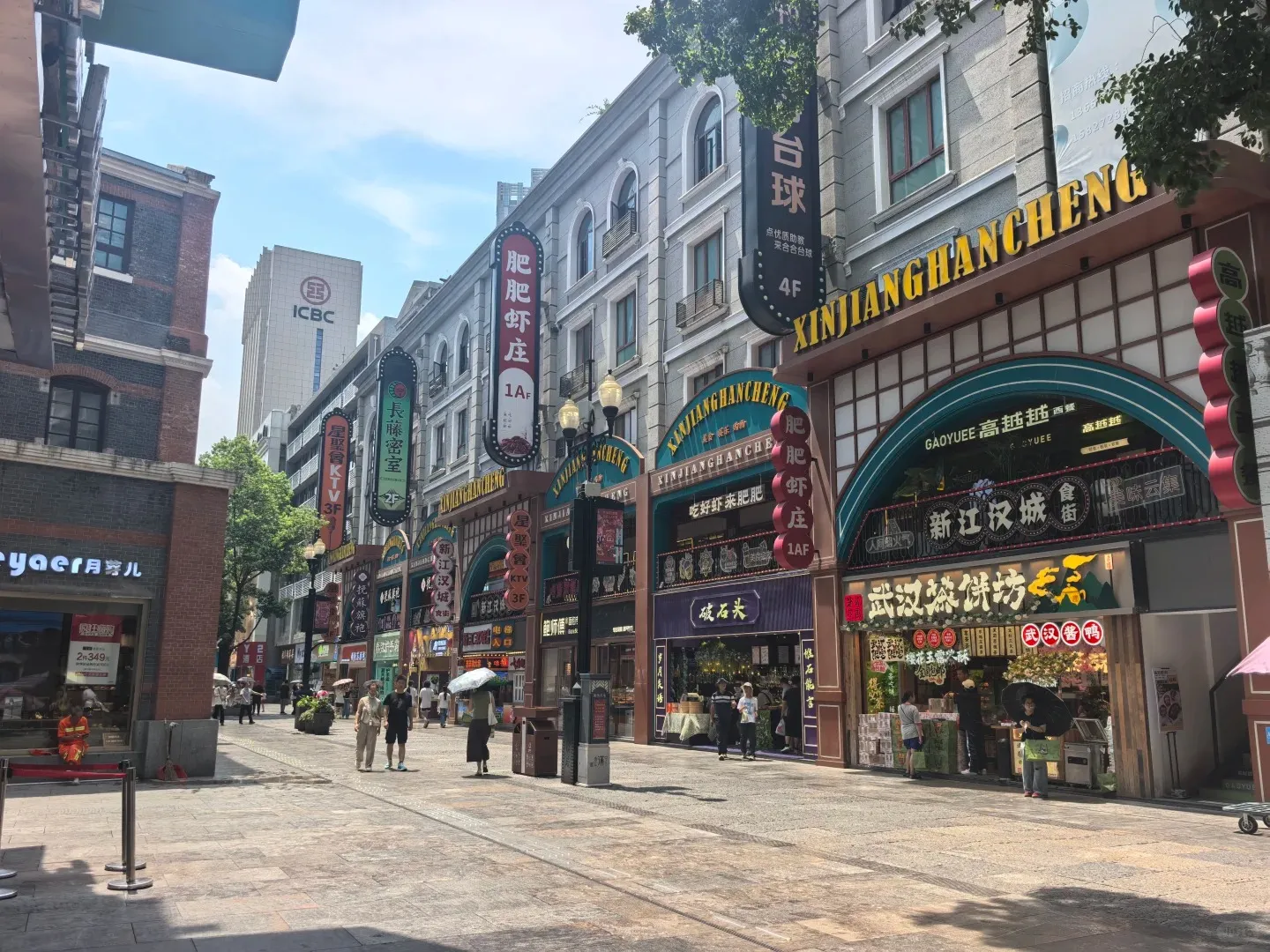
Hubu Lane (户部巷)
Hubu Lane is a ~150-metre pedestrian alley in Wuchang and Wuhan's most famous place to experience 过早 (guò zǎo) — the Wuhan word for "breakfast," taken so seriously it is a daily ritual, not a quick bite. The lane has been a food street for over a century, packed with stalls selling hot-dry noodles, three-flavor doupi, fish-soup vermicelli, and soup dumplings. For a first-time visitor who has never been to China, this is the easiest, cheapest, most delicious crash course in real Chinese street food — go hungry, go early, and treat it as a tasting crawl, not a sit-down meal.
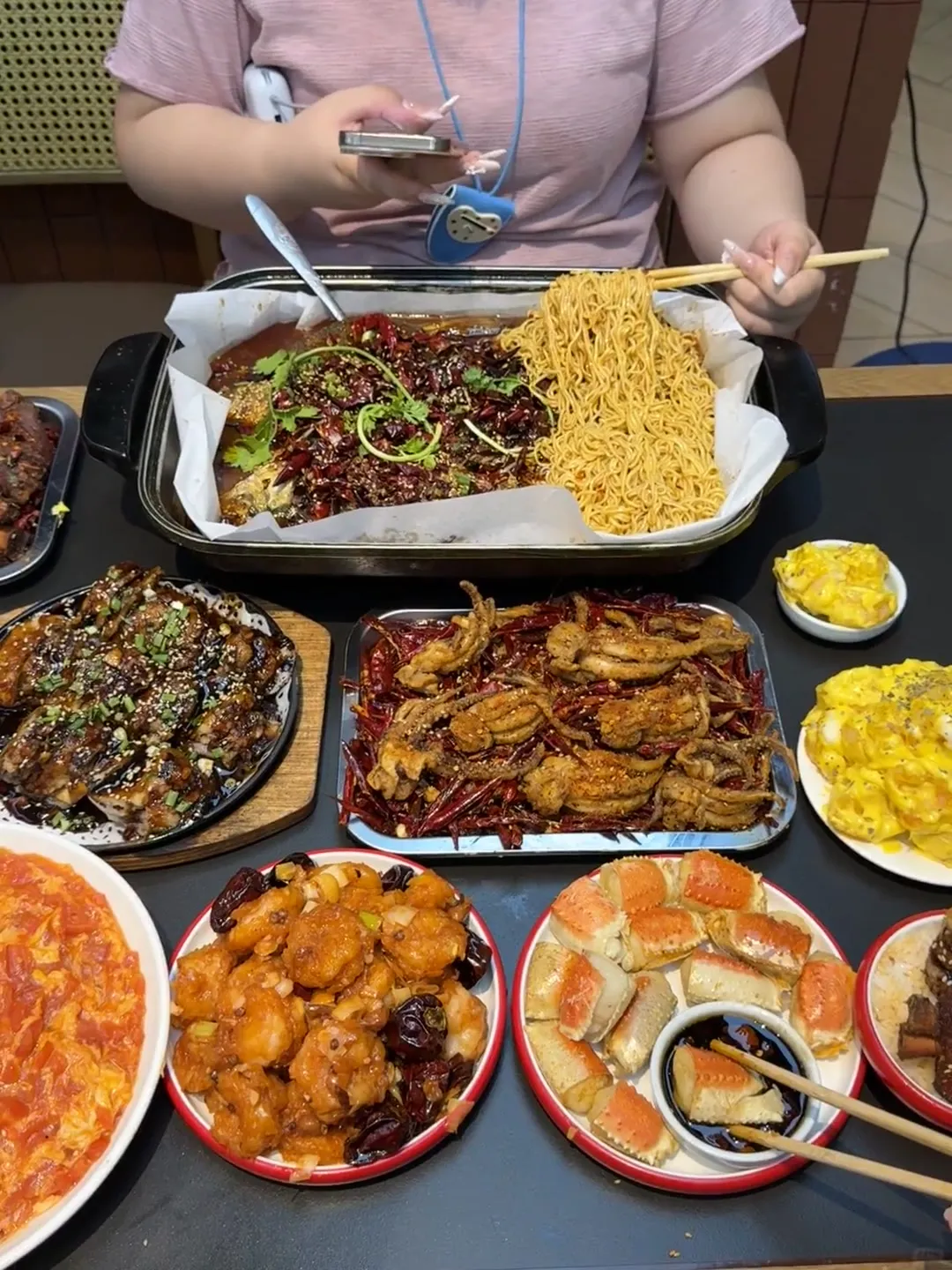
First-time visitor essentials — the 4 worries, solved
Visa: No ticket, no visa — Hubu Lane is a free public alley, open all day. You just show up and eat.
Money: Alipay / WeChat Pay at almost every stall (scanned from a QR on the counter). Bring ¥50–100 cash — a few old-school vendors still take cash only, and a street snack runs ¥5–15 each. Budget ¥50–80 to taste your way down the lane.
Internet: Signal is fine in the lane. Have Alipay / WeChat Pay set up before you arrive so you're not fumbling at the counter.
Hotels: Stay in Wuchang near Simenkou / Yellow Crane Tower — Hubu Lane is a 5-minute walk, perfect for a morning 过早 before sightseeing.
How to get there
Hubu Lane sits at the foot of Snake Hill in Wuchang, a few minutes' walk from both the Yellow Crane Tower and the Yangtze River Bridge — easy to fold into a Wuchang (武昌) old-town loop.
- Metro (easiest): Line 5 to Simenkou (Yellow Crane Tower) (司门口黄鹤楼站) — Exit C, then a 3–5 minute walk to the lane's archway. Lines 2 (Jiyuqiao (积玉桥), ~10–15 min walk) and 7 (Xiaodongmen (小东门)) also reach it.
- Bus: routes 14, 19, 515, 521, 573 to "Simenkou" (司门口站); a 5-minute walk in.
- From the Yellow Crane Tower: walk down from the hill's foot — about 10–15 minutes, and you pass the bridge on the way.
- DiDi / taxi: show the driver "户部巷" (Hù bù xiàng). There's no parking at the lane itself; get dropped at the 司门口 (Simenkou) end.
- Best arrival: go on foot in the early morning — the lane is a breakfast place, not a dinner destination, so the magic is at 07:00–09:00.
How long to spend
- Minimum: 45 minutes — grab one or two snacks and move on.
- Recommended: 1–1.5 hours to graze 4–6 stalls and soak up the atmosphere.
- Best time of day: 07:00–09:00 is the real 过早 window — locals crowd in, stalls are freshest, and the vibe is authentic. If you hate crowds, come after 15:00 (afternoon lull) but the breakfast classics are less fresh then. Evenings (after 19:00) turn it into a night-snack street, also fun.
- Don't come at noon: many breakfast stalls wind down midday and the lane feels like a tourist corridor.
What most visitors love
- Hot-dry noodles (热干面, rè gān miàn): Wuhan's signature — alkaline noodles tossed in sesame paste, with scallion, radish, and chili. Try Cailinji (蔡林记), the century-old benchmark (~¥8). Add pickled veggies for the real taste.
- Three-flavor doupi (三鲜豆皮, sān xiān dòu pí): a crispy egg-and-bean skin wrapped around sticky rice with shrimp, mushroom, and pork — Lao Tongcheng / Lao Qianji (老通城 / 老谦记) are the names to look for (~¥8–15).
- Fish-soup vermicelli with youtiao (糊汤粉 + 油条): a milky fish broth with slippery rice noodles, dipped with a fried dough stick — Xu Sao (徐嫂) is the famous stall (~¥10).
- Soup dumplings (汤包, tāng bāo): thin-skinned, broth-filled — Sijimei (四季美) nearby; bite, sip, then eat.
- The archway photo: the "户部巷" gate at the lane mouth is the free landmark shot — go before 09:00 for an empty frame.
Hidden gems
- Liangdao Street (粮道街) — a 10-minute walk away and where locals actually eat 过早. Cheaper, less touristy, and just as delicious; pair it with Hubu Lane for a two-street crawl.
- Zhao Shifu hot-dry noodles (赵师傅): just off the main drag, loved by locals for the "red-oil" version with pickled vegetables — often better than the famous-name shops.
- Huanxi tuo (欢喜坨) & mianwo (面窝): sesame-sugar puffballs and ring-shaped fried snacks you won't find pushed at the lane mouth — hunt the side stalls.
- Deshengqiao Lane (得胜桥): a nearby old lane where you can frame the Yellow Crane Tower and the bridge in one shot — a quiet photo spot most tourists miss.
- Night market version: after 19:00 the lane reopens as a snack street with fewer tour groups and more students — a calmer, cheaper evening wander.
Things to watch out for
- Tourist pricing on the main lane: the central alley charges a premium. Side stalls and Liangdao Street are cheaper for the same food — don't assume the famous-name shop is the best value.
- Cash for old stalls: a handful of vendors take cash only; carry small bills so you're not stuck.
- Eat standing, eat fast: most places have no seats; it's a grab-and-walk culture. Don't block the counter while deciding.
- Spice level: Wuhan food leans salty-chili, not numb like Sichuan. If you want mild, say "少辣" (shǎo là, less spicy).
- Freshness clock: breakfast items are made in the morning; by afternoon some are reheated or sold out. Go early for the real thing.
- Scam-lite: a few "free taste" fruit/tea stalls near the entrance push overpriced packages — smile and walk on.
- Hygiene: it's street food — pick busy stalls (high turnover = fresh) and bring hand sanitizer.
Before you arrive — quick setup
- Payment: Alipay / WeChat Pay topped up; ¥50–100 cash in small notes.
- Maps: save 户部巷 (Hubu Lane) and 司门口黄鹤楼 (Simenkou metro) in Amap / Apple Maps in Chinese.
- Empty stomach: skip hotel breakfast; arrive hungry around 08:00.
- Phrase to know: "一个热干面,少辣" (one hot-dry noodle, less spicy) goes a long way.
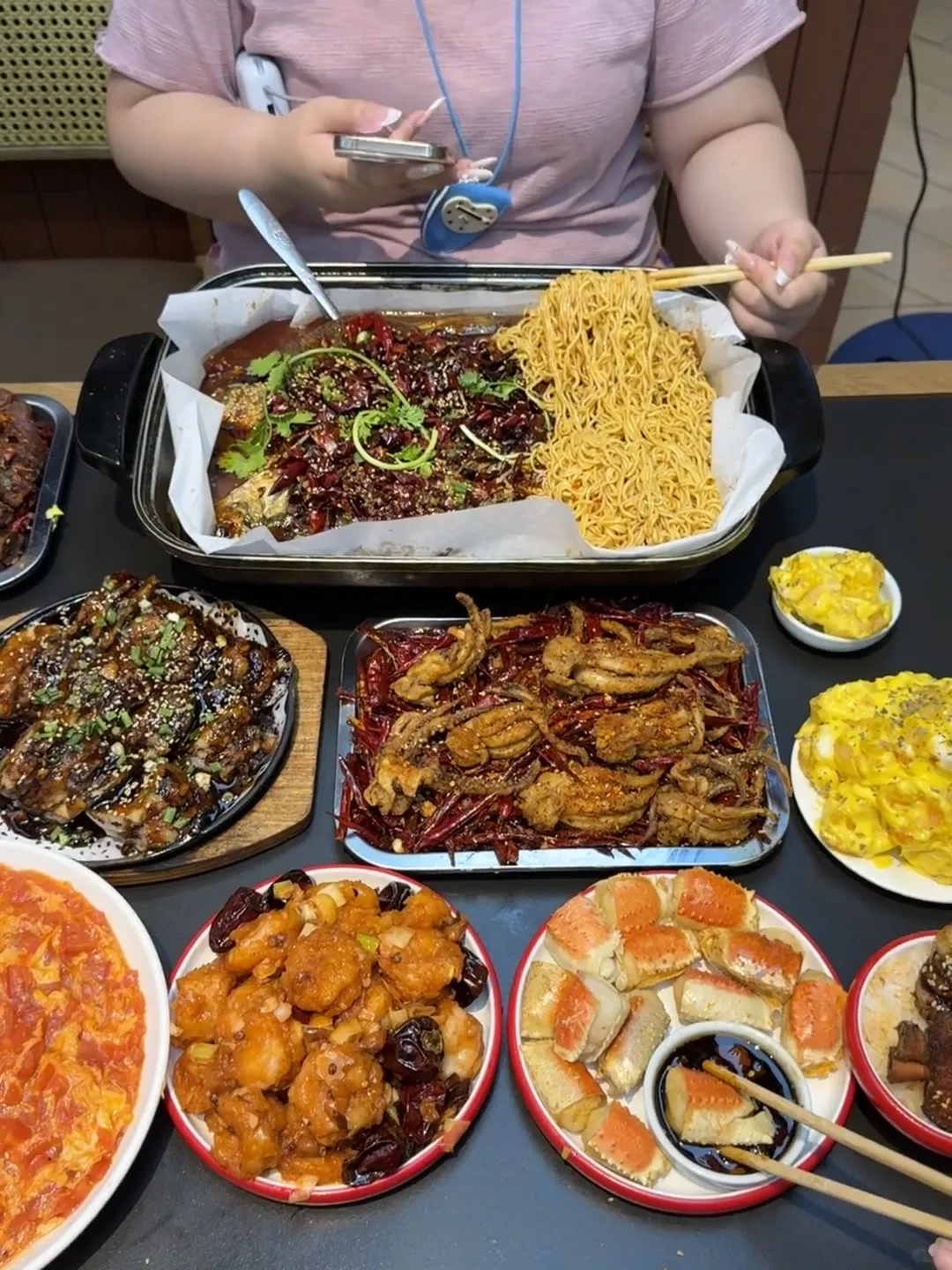
Plan this visit like a first-timer
- Go between 07:00 and 09:00 for the real breakfast atmosphere, not as a late lunch stop.
- Choose three or four small items, share them and pause between stalls instead of ordering a full meal at every counter.
- Leave by 10:00 for Yellow Crane Tower or the bridge, when the lane becomes less of a breakfast experience.
On-site reality check
- Pointing at food and showing Chinese names works; payment is usually by Alipay or WeChat Pay, with a little cash as backup.
- Use translation for allergies and spice level before you queue; kitchens move quickly and staff may not speak English.
- The lane is narrow, busy and not ideal for large luggage.
Common mistakes to avoid
- Do not judge the best stall by English signage; choose the busy stall with fast turnover.
- Do not expect a polished food hall — this is a crowded local breakfast lane.
Save these Chinese names in your map: 户部巷 · 司门口黄鹤楼站
Quick facts
| Entry | Free · open all day (best 07:00–09:00 for breakfast) |
|---|---|
| Cost to eat | ¥5–15 per snack · ¥50–80 to taste the lane |
| Metro | Line 5 Simenkou (司门口黄鹤楼) Exit C → 3–5 min walk |
| Must-try | Hot-dry noodles, doupi, fish-soup vermicelli, soup dumplings |
| Local tip | Liangdao Street (粮道街) nearby = cheaper, more authentic |