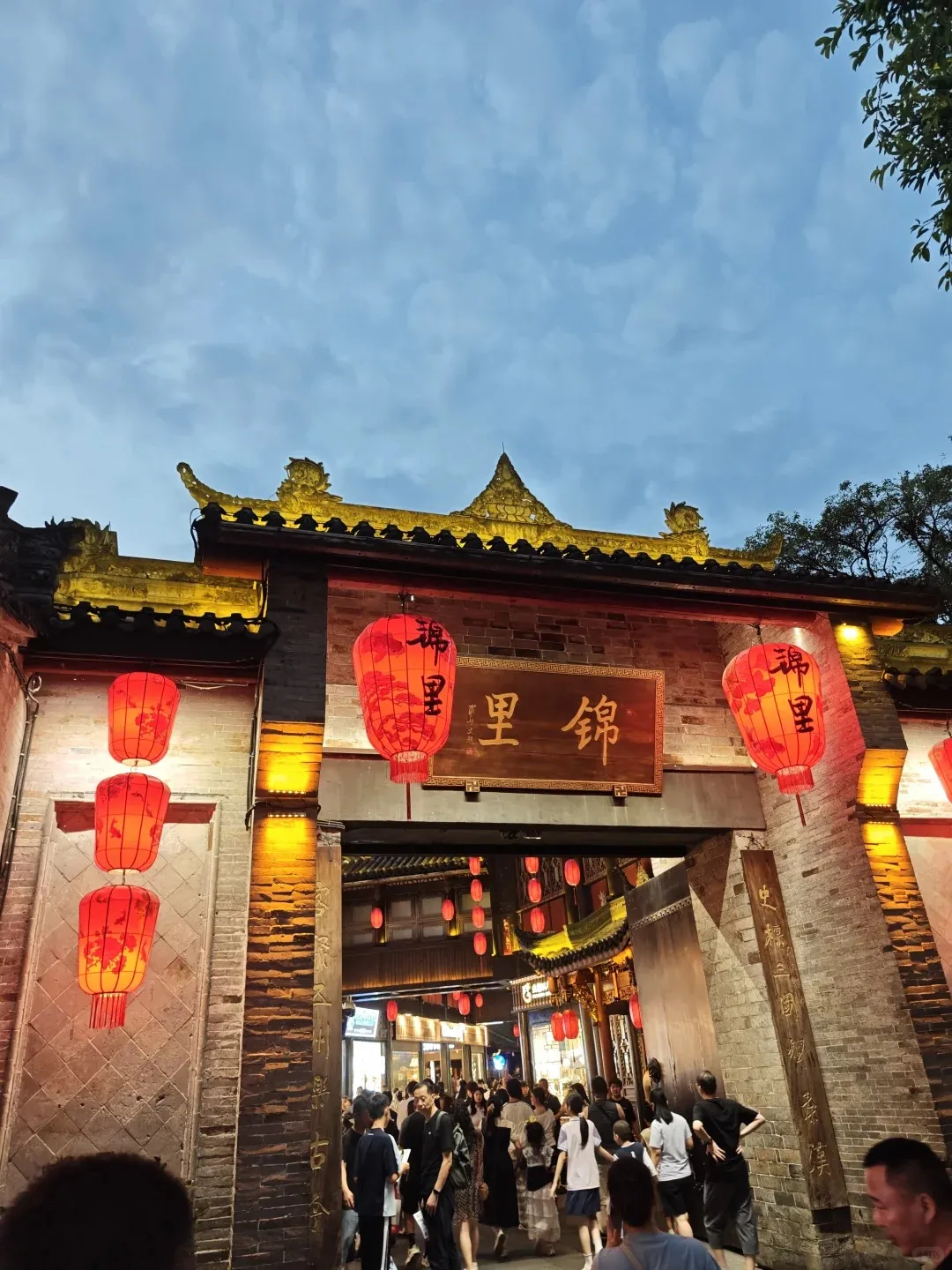
Jinli Ancient Street (锦里古街)
A rebuilt Qing-style folk street next to the Wuhou Shrine: red lanterns, snack stalls, tea houses and craft shops. It's touristy by nature, but it's a fun, free, low-effort evening — and the food is the real draw. Think of it as the easy, atmospheric intro to Sichuan street life before you graduate to the quieter alleys.
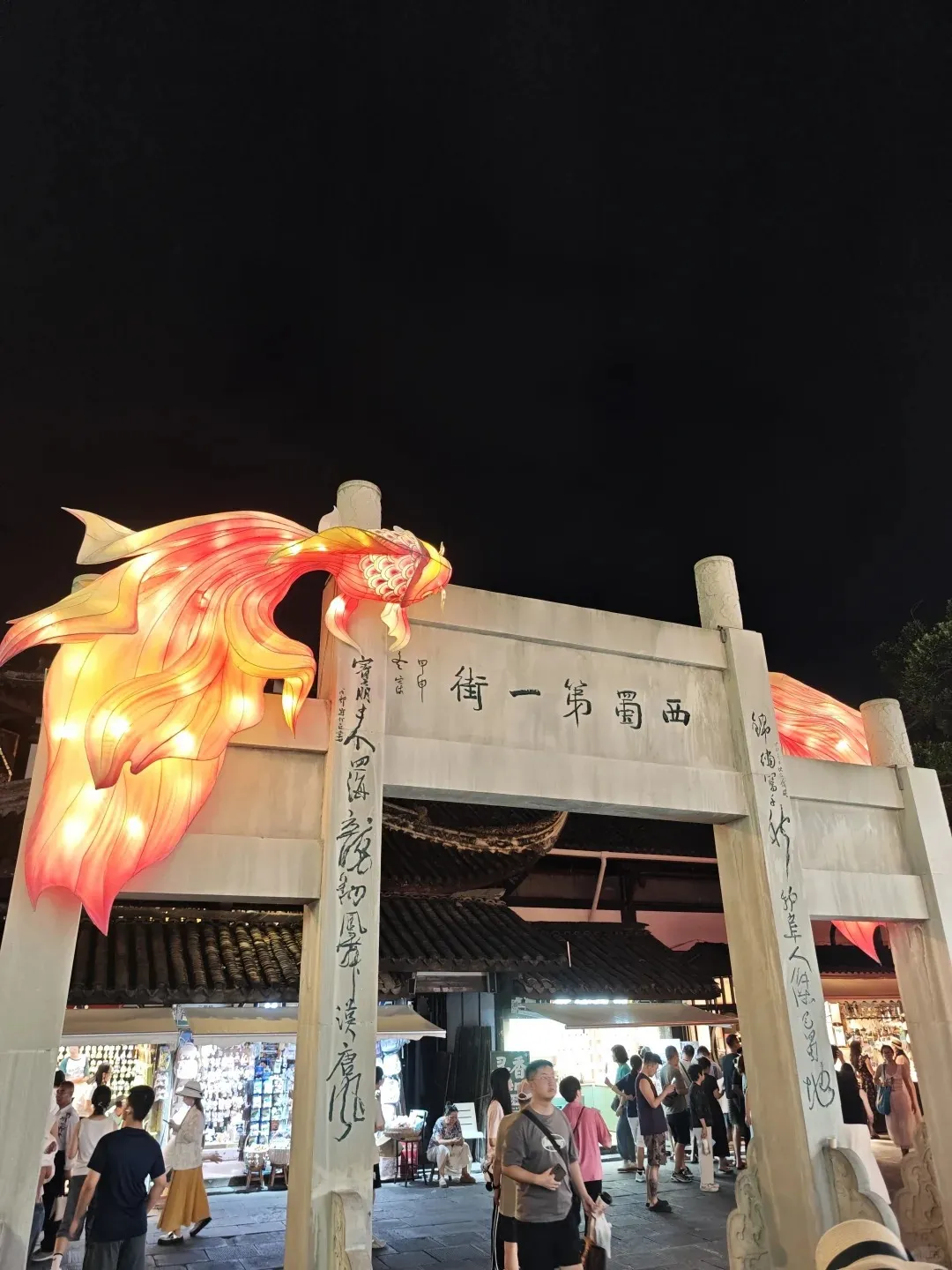
First-time visitor essentials — the 4 worries, solved
Visa: No permit — it's inside Chengdu. Free entry, no ticket, no passport needed.
Money: Free to walk; you only pay for food and souvenirs. Stalls are Alipay/WeChat-first — bring a linked card; cash is awkward and some stalls are card-only.
Internet: Free Wi-Fi in spots, but it needs a Chinese number. Your eSIM + translator handles menus; maps work fine.
Hotels: Stay anywhere central — Jinli is a 20–30 min metro ride from Chunxi Road / Kuanzhai, easy to fold into any evening.
Before you go
- Location: next to the Wuhou Shrine (武侯祠), west-central Chengdu. Metro Line 3/5 to Gaoshengqiao (高升桥) then a short walk, or Line 10 to Wuhou Shrine Station (武侯祠站) almost at the gate.
- Entry: free, no ticket. Open roughly 24 hours as a street, but shops and food stalls run ~10:00–22:00; the lanterns go on at dusk.
- Best time: evening — lanterns lit is the best version of the street. Come hungry.
- Time needed: 1–2 hours for a stroll, snack crawl and photos.
Inside — what to actually do
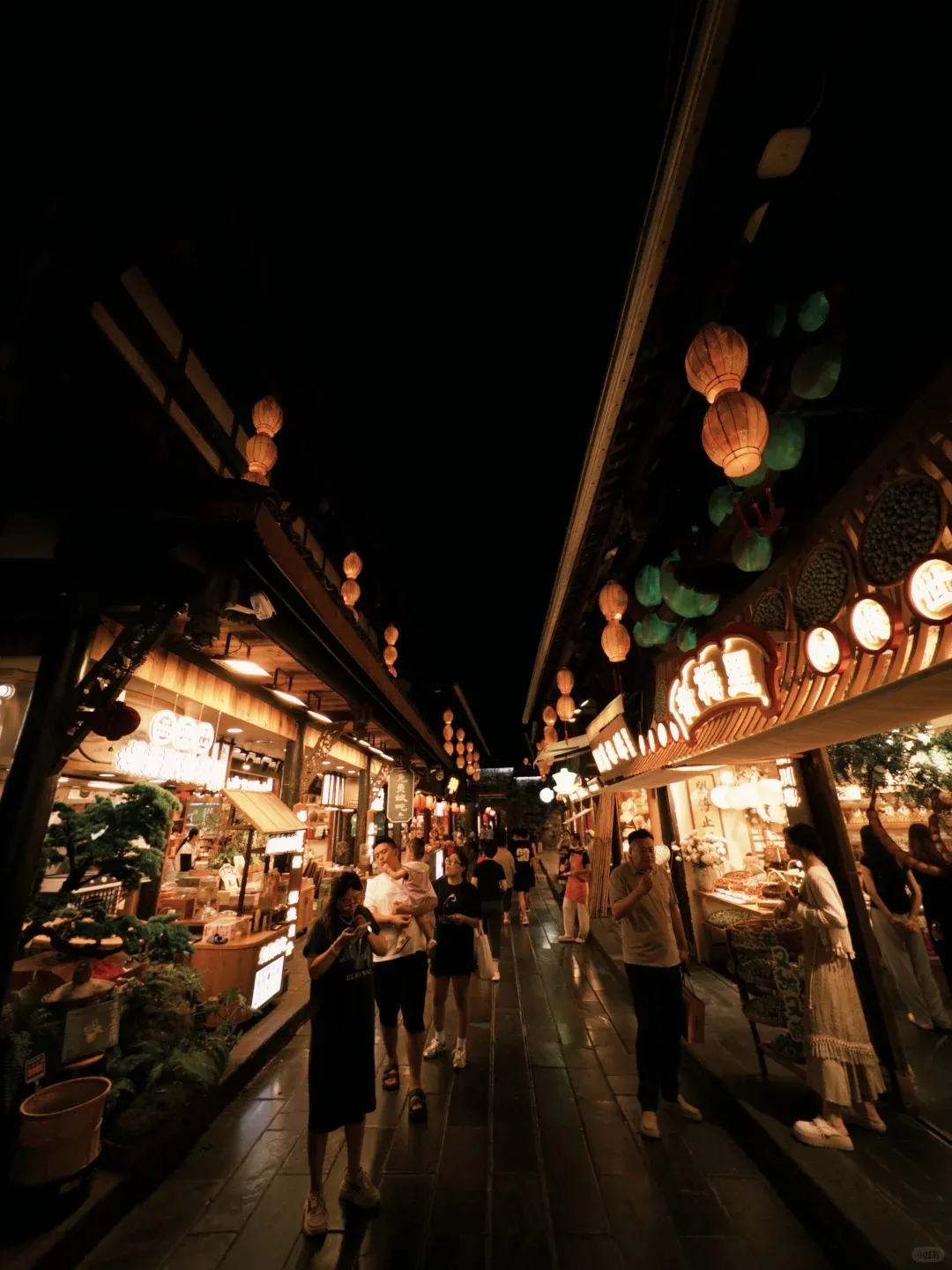
- Eat your way down: three-cannon rice cakes (三大炮), sugar-oil fruit (糖油果子), bobo chicken (钵钵鸡), long wontons (龙抄手), skewers and bubble tea — the greatest hits of Chengdu snacks in one strip.
- Tea house: sit for a gaiwan tea and watch the street theatre of people; the riverside tea spots are the calmest.
- Craft lanes: the side alleys have paper-cutting, sugar painting and Shu embroidery demos — fun to watch even if you don't buy.
- Wuhou Shrine back gate: the shrine's rear exit drops you straight into Jinli — do both in one visit.
After you leave
- Hotpot dinner: a natural next step — Chengdu's signature, best shared. Plenty of hotpot houses within a DiDi ride.
- Wider evening: pair with a stroll of the Wuhou Shrine red wall (lit on the Friday/Saturday night tour) or head back toward Kuanzhai for a second old-street contrast.
Before you arrive — quick setup
- Arrive at dusk so you catch both daylight and lantern-time in one walk.
- Link Alipay/WeChat to a Visa/Mastercard before you go — most stalls won't take foreign cash happily.
- Go with Wuhou Shrine — shrine in the calm morning, Jinli for lanterns and snacks at night.
How to get there
- Metro: Line 3/5 to Gaoshengqiao (高升桥) Exit D, 8-min walk; or Line 10 to Wuhou Shrine Station (武侯祠站) Exit B, nearly at the gate.
- Bus: 1 / 57 / 82 / 334 stop nearby; the city sightseeing shuttle stops at the shrine.
- DiDi / taxi: set "锦里古街 (Jinli Ancient Street)"; ~20–30 min from central Chengdu.
- On foot: if you're at Wuhou Shrine, the Jinli entrance is a 2-minute walk from the back gate.
How long to spend
- Minimum: 45–60 min — a quick walk, one snack, a lantern photo.
- Recommended: 1.5–2 hours — a slow snack crawl, a tea-house sit-down, photos in the lit lanes.
- Best window: arrive ~17:00, watch the lanterns come on around 18:30–19:00, leave by 21:00 before the crowds thin and stalls close.
Things to watch out for
- It's a tourist street — prices reflect it. The main drag's snacks and "tea ceremonies" are marked up; walk into the side alleys and back lanes for cheaper, better local eats.
- Bag watch. It gets shoulder-to-shoulder at peak evening; keep your phone and wallet front-pocketed.
- Street "free tea" invites and clipboard surveys are soft-selling traps — a polite no and keep walking.
- Bargain on crafts. The embroidery and trinkets are negotiable; the food has fixed prices.
- Cash is awkward. Stalls prefer phone pay; a linked Alipay/WeChat saves friction.
- Go early or late in the day if you want photos without a hundred strangers in frame — mid-evening is the busiest.
Popular vs. niche
What everyone does:
- The main lantern drag — the postcard shot of red lanterns over the wooden street.
- The headline snacks — three-cannon rice cakes, sugar-oil fruit, bobo chicken — from the busiest stalls.
- A group tea-house photo op on the central bridge.
What locals quietly love:
- The back lanes (off the main strip) — quieter, cheaper food, and the real craft demos without the crowd.
- Early morning — before the stalls open, the empty wooden street and mist on the tiles are genuinely atmospheric and photo-clean.
- The riverside tea seats at the far end — the calmest corner, where Chengdu locals actually sit and chat.
- Pair with the Wuhou Shrine night tour (Fri/Sat 19:00) — the lit red wall next door is the better photo, and the combo beats either alone.
- Compare with Kuanzhai — Jinli is the lively tourist version; Kuanzhai mixes old courtyards with cooler cafés if you want the calmer take.
One afternoon, two moods: do Wuhou Shrine in the calm morning (under 2 hours), exit the back gate into Jinli around 17:00, snack your way to the lantern lighting, then a hotpot dinner nearby. You get the solemn history and the easy evening fun with zero backtracking.
Nearby
After Jinli, a hotpot dinner is the natural next step — Chengdu's signature, and best shared. Or loop back via Kuanzhai Alley for a second, calmer old-street wander.