Photo: xiquinhosilva · CC BY 2.0 · license
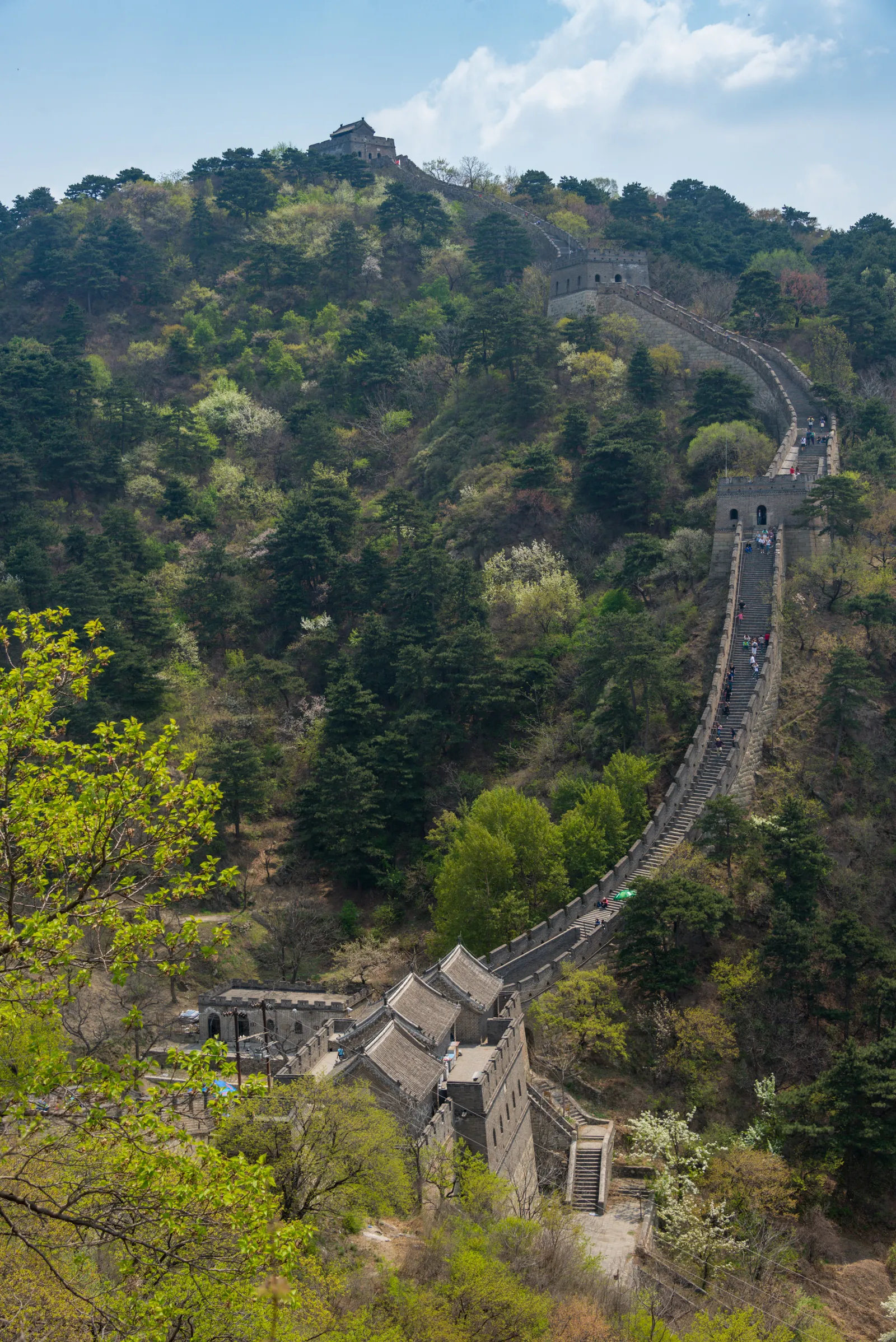
The Great Wall at Mutianyu
If there's one day trip to take from Beijing, this is it. Mutianyu is the best-restored, least-crowded of the "classic" Great Wall sections near the city — and the one most foreign visitors actually enjoy. Here's everything you need before you go, built around the things that trip up first-time visitors.
What the Great Wall at Mutianyu actually is
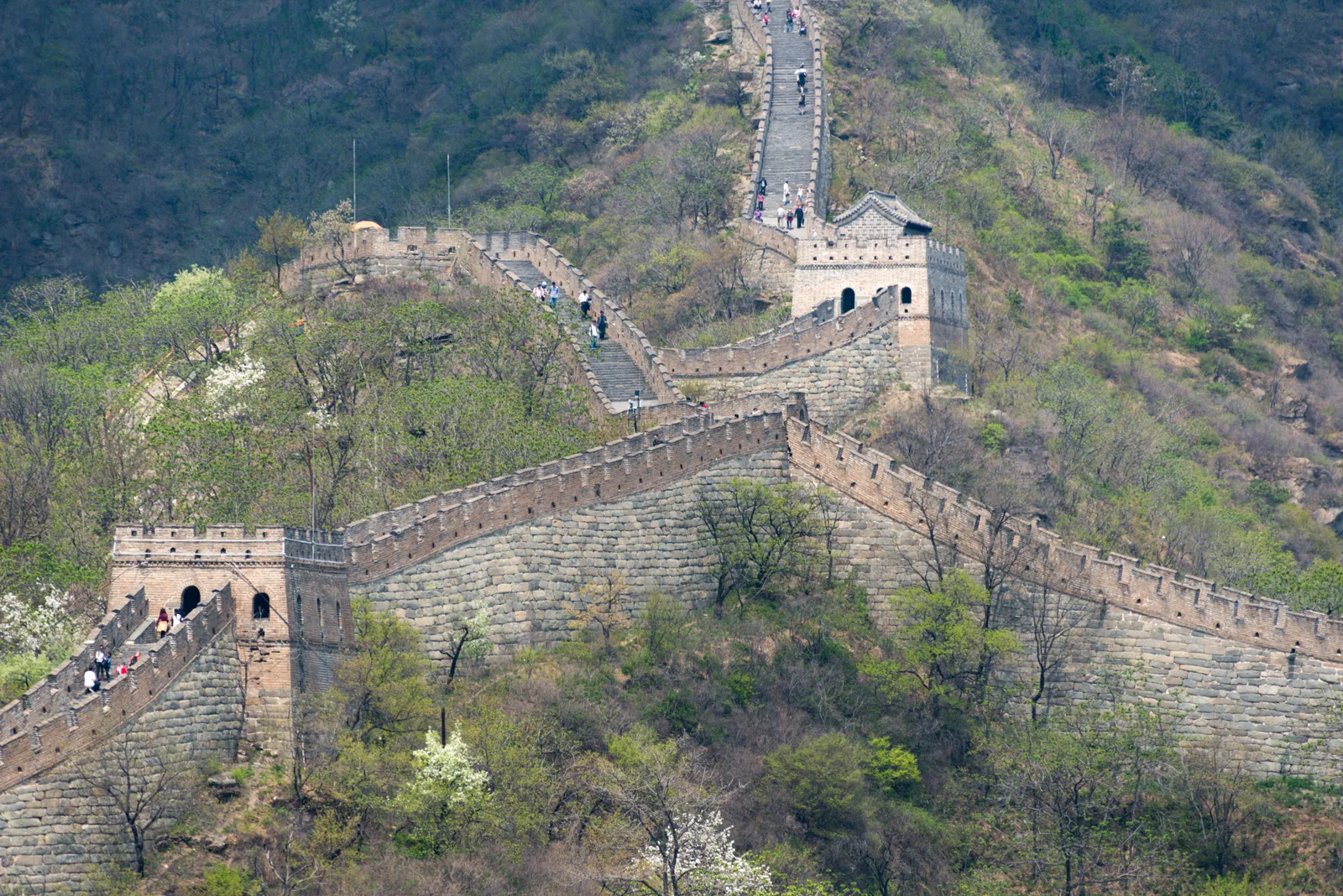
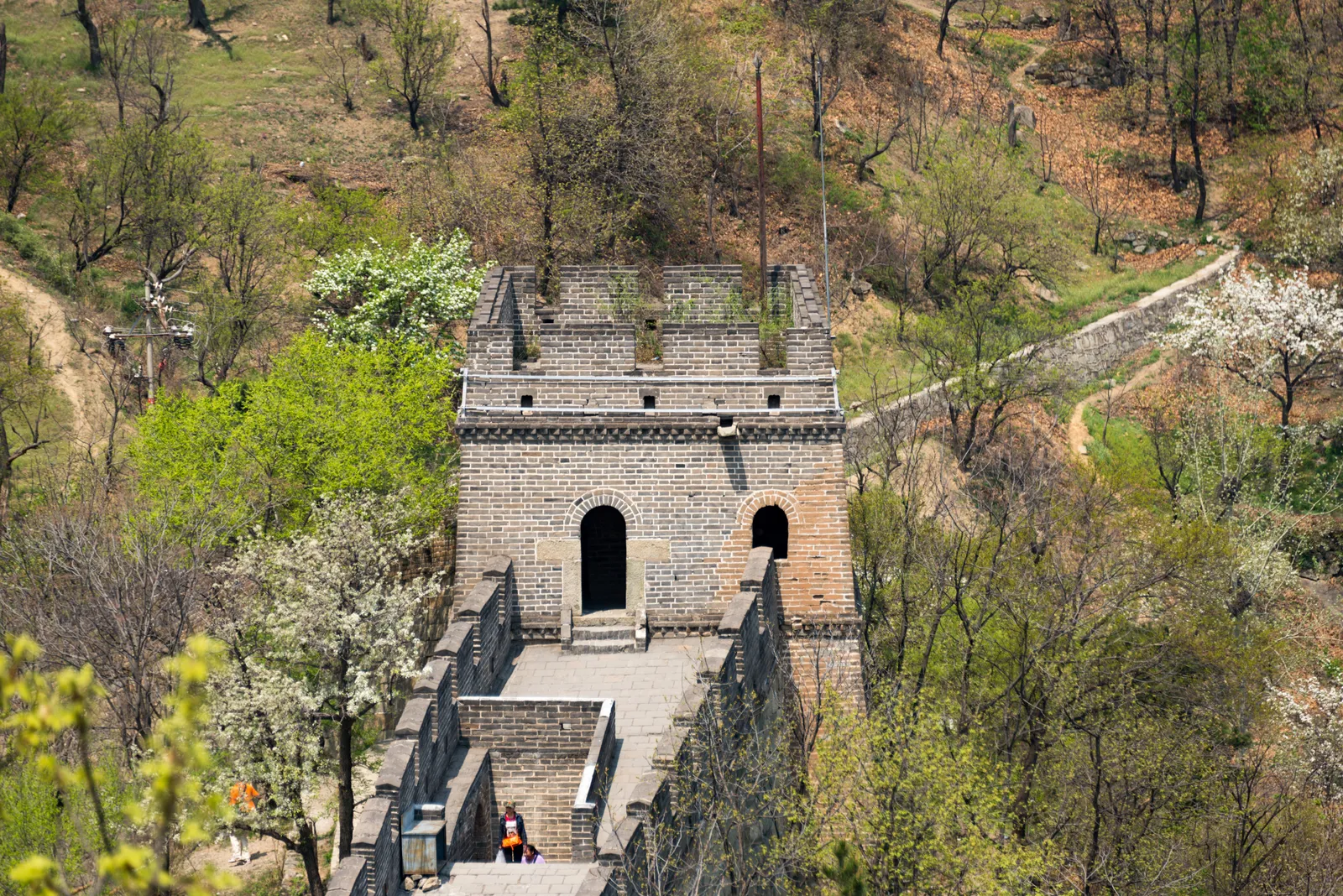
The Great Wall isn't one long wall: it's a 21,500 km network of fortifications built over 2,000 years to defend China's north. Most of what you can visit today is Ming Dynasty (1368–1644). The section near Beijing is the postcard image — grey stone and brick snaking across forested ridges, with a watchtower every few hundred metres.
For a first visit you don't want the wild, broken sections (dangerous, and some are off-limits). Mutianyu is the restored, visitor-friendly choice, and — crucially — the crowds are a fraction of those at Badaling, the "theme-park" section every Chinese tour bus goes to.
Before you go — passports, tickets, hours
- Real-name + ID. Chinese scenic spots use real-name ticketing. As a foreigner you show your passport. Some gates have a dedicated "foreign passport" lane; the face-scan turnstiles don't read foreign passports, so head to the manual lane. Bring the passport you booked with — the name must match the ticket.
- Book ahead. Buy before you travel via the official site (english.visitmutianyu.com.cn) or easy third-party platforms like Trip.com / Klook if you don't read Chinese. Walk-up is possible, but queues build by mid-day. (Unlike the Forbidden City or Terracotta Army, Mutianyu doesn't normally sell out — but booking skips the line.)
- Opening hours. Open daily (no Monday closure here), roughly 07:30–17:30 in season, with last entry earlier. Hours shift by season — check the official site for your date.
- Prices. Foreign visitors pay the same ticket prices as domestic visitors at Mutianyu (no separate foreigner price), but staff may check your ID at the gate, so keep your passport handy.
- Get connected first. You need mobile data before you arrive — Google Maps and most Western apps don't work in China. See "Prepare before you leave" below.
How to get there (from Beijing)
Unless you're renting a car, you have three realistic options. Most hotels can also arrange transport.
- Tourist shuttle bus — easiest & cheapest door-to-door. Many hotels and hostels sell tickets for a tourist bus to Mutianyu. It leaves central Beijing around 08:00, returns around 15:00–16:00, and includes the shuttle bus at the wall. Book a day ahead.
- Public transport — cheapest but fiddly. Take subway Line 13 or 15 to Wangjing West (望京西站), then the 916 express bus to Huairou North Avenue (怀柔北大街). From there, a taxi or local bus H23 / H24 takes you to Mutianyu. Allow 2–2.5 hours each way and bring patience.
- Private car / driver — most comfortable. Hire a car with driver for the day (expect ¥600–900 for the vehicle, not per person). Leave when you like, stop at the Ming Tombs on the way, and skip the group-tour rush.
At the wall — the route that works
The order of the day is: up by cable car or chairlift, walk east, then return west. There are two lift systems and they end at different towers — this decides your route.
- Enclosed cable car → up to Tower 14 (the highest point). Best for first-timers, bad knees, or anyone who'd rather skip the stairs.
- Open chairlift → up to Tower 6 (lower, used with the toboggan down).
- Ride up. Cable car to Tower 14, or chairlift to Tower 6.
- Walk east, start higher. From Tower 14, walk east/southeast toward Tower 20 — this is the high point and the famous "S-curve" photo of the wall disappearing into the hills.
- Come back west. Retrace your steps, or — if you came up at Tower 6 — walk west to Tower 14 before heading down.
- Come down. From Tower 6 or 14, take the lift or the toboggan. If you use both, you need a combo ticket.
Mutianyu is about 2.25 km of wall open to visitors, between 23 watchtowers. It starts at the distinctive Zhengguantai (正关台) — a three-tower fort at the main entrance — and climbs east to Tower 23. That 2.25 km is the sweet spot: long enough to feel like an adventure, short enough that you won't be exhausted.
Tickets & prices
Buy online before you go. The official site is english.visitmutianyu.com.cn; the park's WeChat mini-program works too but is in Chinese. Trip.com and Klook are easiest if you can't read Chinese. Bring your passport — you need it to enter, the same as at the airport.
| Ticket | Price | What it covers |
|---|---|---|
| Admission | ¥40 | Park entry only |
| Cable car (return) | ¥120 | Round trip on the enclosed cable car |
| Chairlift / toboggan (return) | ¥120 | Up by chairlift, down by toboggan |
| Shuttle bus | ¥15 | Parking lot to the wall entrance |
Inside the site — what foreign visitors should know
- Language. Mutianyu is unusually tourist-friendly: English signs and some English-speaking staff. General park announcements are Chinese, though, and not everyone speaks English — keep an offline translation app handy.
- Internet / Great Firewall. Google Maps, WhatsApp, Instagram and Gmail don't work in China without a workaround. Use Amap (Gaode) or Baidu Maps for navigation (limited English, but they work). Set up your data before you land.
- Payment. Ticket counters and most stalls take Alipay / WeChat Pay; some take cards, but cash isn't always accepted. Set up international Alipay before the trip — see our Alipay & WeChat Pay guide.
- Toilets. Mostly squat toilets, often with no paper. Carry your own tissue / wipes.
- Photos & drones. Hand-held photos are fine (no flash in any indoor museums on site). Drones are banned at scenic areas in China — flying one here can get it confiscated and a fine.
- Crowds. National holidays (especially National Day, Oct 1–7, and Spring Festival) are packed and may hit capacity limits. Go on a weekday, arrive before 09:00 or after 13:00.
- Guides. English audio guides and English-speaking guides are available at Mutianyu — rent at the entrance. Agree the price first.
- Health & safety. It's a real hike — wear proper shoes, bring water and sun protection. Not high altitude (unlike Tibet or Jiuzhaigou), but the steps are steep; take the cable car if knees are an issue.
- Etiquette. Stay on the restored wall; don't climb the broken / unrestored sections (unsafe and restricted). Don't carve or deface the wall.
The cable car up to Tower 14 is like a "fast pass" to the best stretch of wall. You'll still do a fair bit of walking, but it spares you the stair-climbing. Bring your passport — the ticket gate checks ID.
Watch out for — scams & complaints
- At the entrance. Ignore touts offering "cheap tickets" or "a free ride to a different Great Wall" — use the official shuttle or bus. Fake guides and unlicensed ("black") taxis cluster outside the gate.
- Tax refund. Not handled at the wall. China's departure tax refund applies to eligible goods bought from participating stores and claimed when you leave the country.
- Complaints. For any problem, call 12345 (the government service hotline; English-capable operators exist in major cities) or use the on-site complaint desk.
Prepare before you leave
- Data first. Buy an eSIM or enable roaming before you fly, so you have data the moment you land.
- Maps & payment. Install Amap / Baidu Maps and register international Alipay — see our payment guide and eSIM & internet guide.
- Weather & clothes. Check the forecast and dress for it. No jet-lag issue, but if you're combining this with high-altitude stops (Tibet, Jiuzhaigou, Lijiang), build in acclimatisation time elsewhere.
When to go
Autumn (mid-October) for the red leaves; spring (April) for blossoms and fewer people. Avoid National Day and Spring Festival. Shoulder-season weekdays (late April–May, September–October) are the calmest.
Foreigners' top worries, answered:
Payment: Alipay / WeChat Pay — set them up before the trip.
Crowds: arrive before 09:00 or after 13:00, ideally on a weekday.
Scams: only use the official shuttle / bus; ignore touts.
Language: Mutianyu has English signs and guides.
Weather: it's spectacular on a clear day and dreary in haze — check the forecast.