Pingjiang Road
If the gardens are Suzhou's galleries, Pingjiang Road (平江路) is where the city actually lives. It's a restored canal-side street with 800 years of history — and for most foreign visitors it's the best place in Suzhou to simply wander. Here's everything you need before you go.
What Pingjiang Road actually is
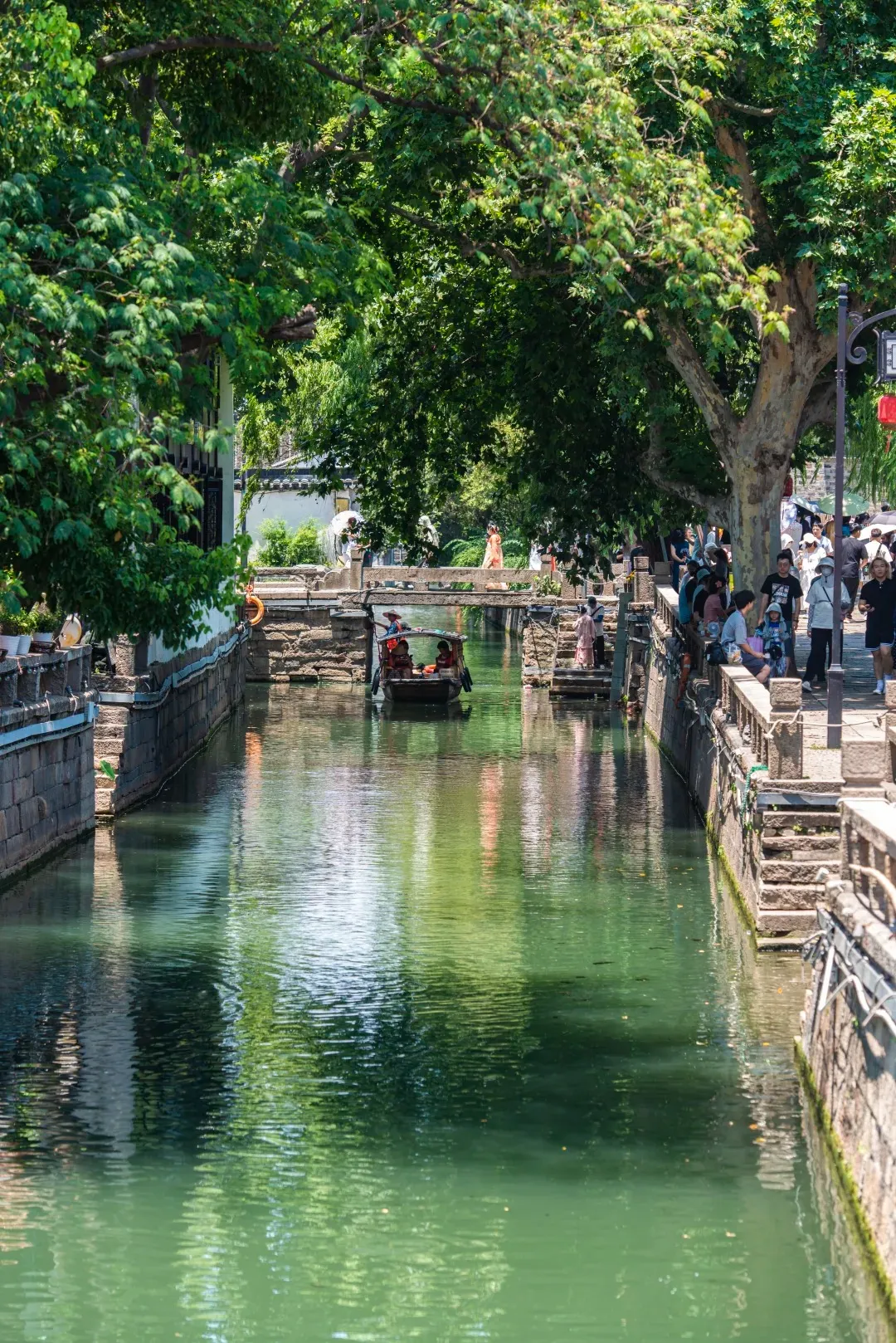
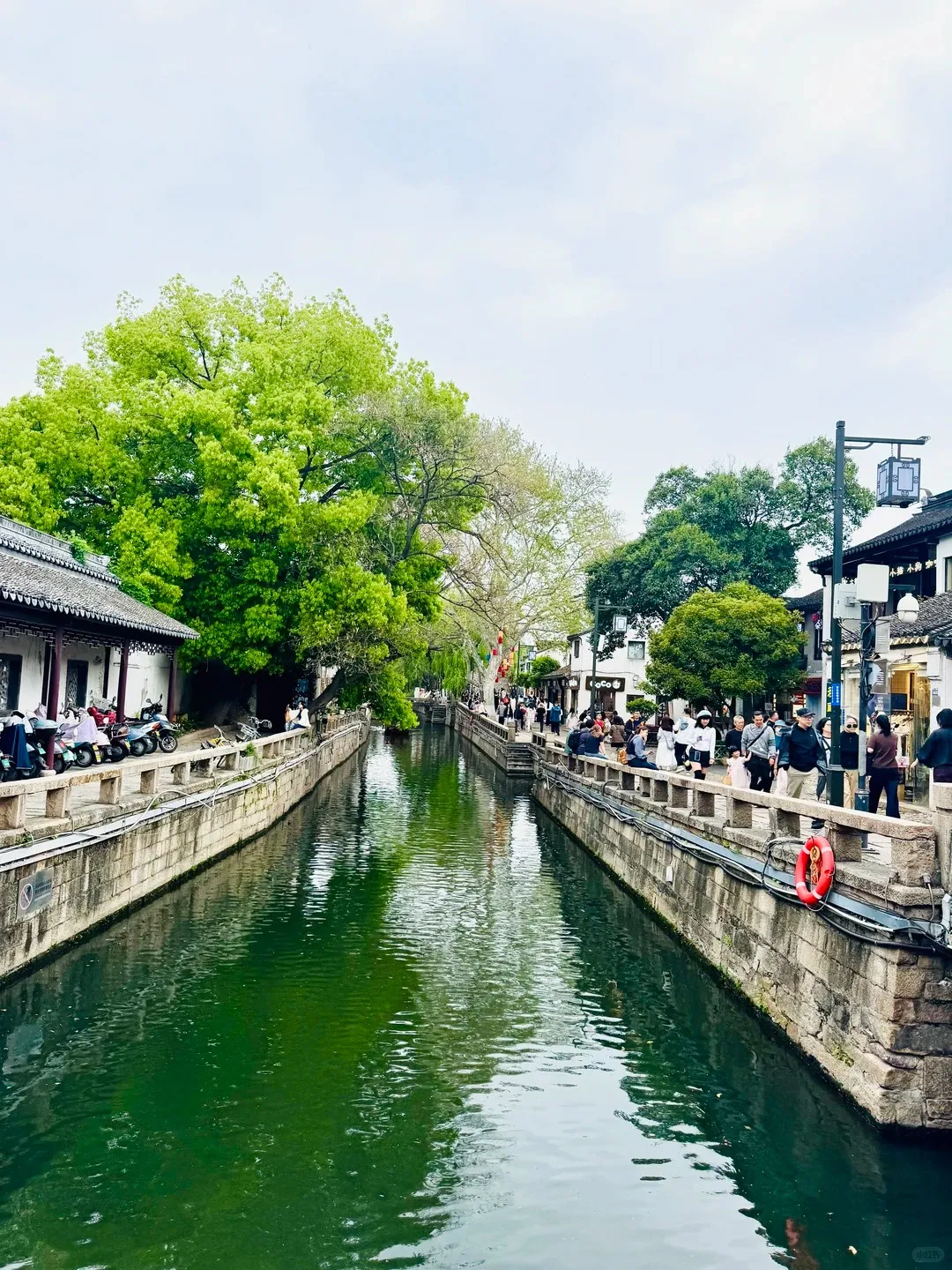
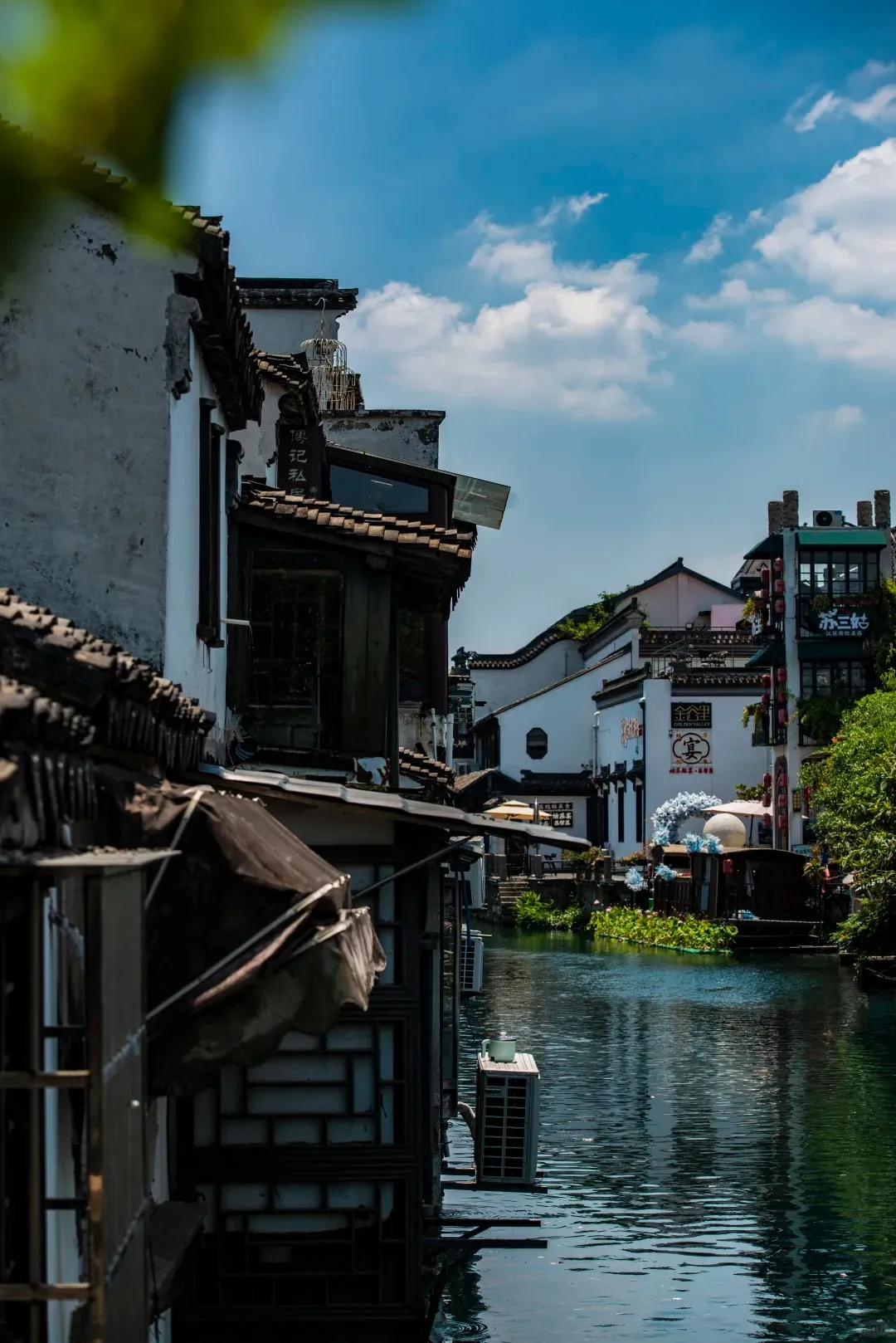
Pingjiang Road is a narrow, flagstone street that follows an old canal through the heart of Suzhou's old town. It's been here, in roughly this form, for about 800 years — a surviving slice of Song-dynasty Suzhou, with stone bridges, whitewashed houses and lanes running off to the water on both sides.
It's not a museum — it's a living street of teahouses, bookshops, craft shops and snack stalls. The point isn't to "see" it so much as to slow down and let it unfold: a bridge here, a courtyard there, a boat sliding past beneath you.
Before you go — what to know
- It's free. No ticket, no reservation — just walk in. It's open all day, and best in the late afternoon into the evening when the lights come on.
- Wear good shoes. It's cobbled flagstone, and the best of it is in the side lanes, so you'll be on your feet.
- Bring your phone. You'll want maps for the side streets, and Alipay / WeChat Pay for snacks and shops (see our payment guide).
How to get there
- Metro (easiest). Take Line 1 to Xiangmen Station (相门站) or Lindun Road Station (临顿路站), then walk a few minutes.
- From the gardens. Pingjiang Road's north end is a short walk from the Humble Administrator's Garden (拙政园) and Suzhou Museum (苏州博物馆) — pair them in the same outing.
What to see and do
- The bridges. Stone bridges cross the canal at intervals — each one frames the classic Suzhou photo of water, willows and white walls.
- Pingtan (评弹) teahouses. Suzhou's traditional ballads, sung in dialect with a lute. You'll hear them drifting out of teahouses along the street — a window seat over the water is the classic experience.
- The bookshops. Independent bookshops like the "Momocat" café-bookshop are a local favourite, and a good place for a break.
- The side lanes. The real charm is off the main street — duck into the quiet lanes that run toward the canal and the old houses.
- Snacks. Street stalls sell Suzhou sweets — osmanthus cakes, sugar porridge and the like — perfect for grazing as you walk.
How long to spend
Plan 1–2 hours for a relaxed stroll, or a lazy half-day if you stop for tea, food and the side lanes. It's best not rushed — the whole point is to slow down.
Come in the late afternoon, wander as the light softens, and stay until the lanterns come on over the canal. The street is at its prettiest after dark, when the crowds thin and the water reflects the lights.
When to go
Any season works, but spring and autumn are the most comfortable. Evenings are the magic hour — go on a weekday evening to avoid the weekend crush.
Foreigners' top worries, answered:
Payment: Alipay / WeChat Pay — set them up before the trip (see our payment guide).
Cost: free — just walk in.
Getting there: Metro Line 1 to Xiangmen (相门站) or Lindun Road (临顿路站).
Language: menus and signs are mostly Chinese — keep a translation app handy.
When: late afternoon into the evening is best.